Lessons from the Korean Wave for Cultural Diplomacy
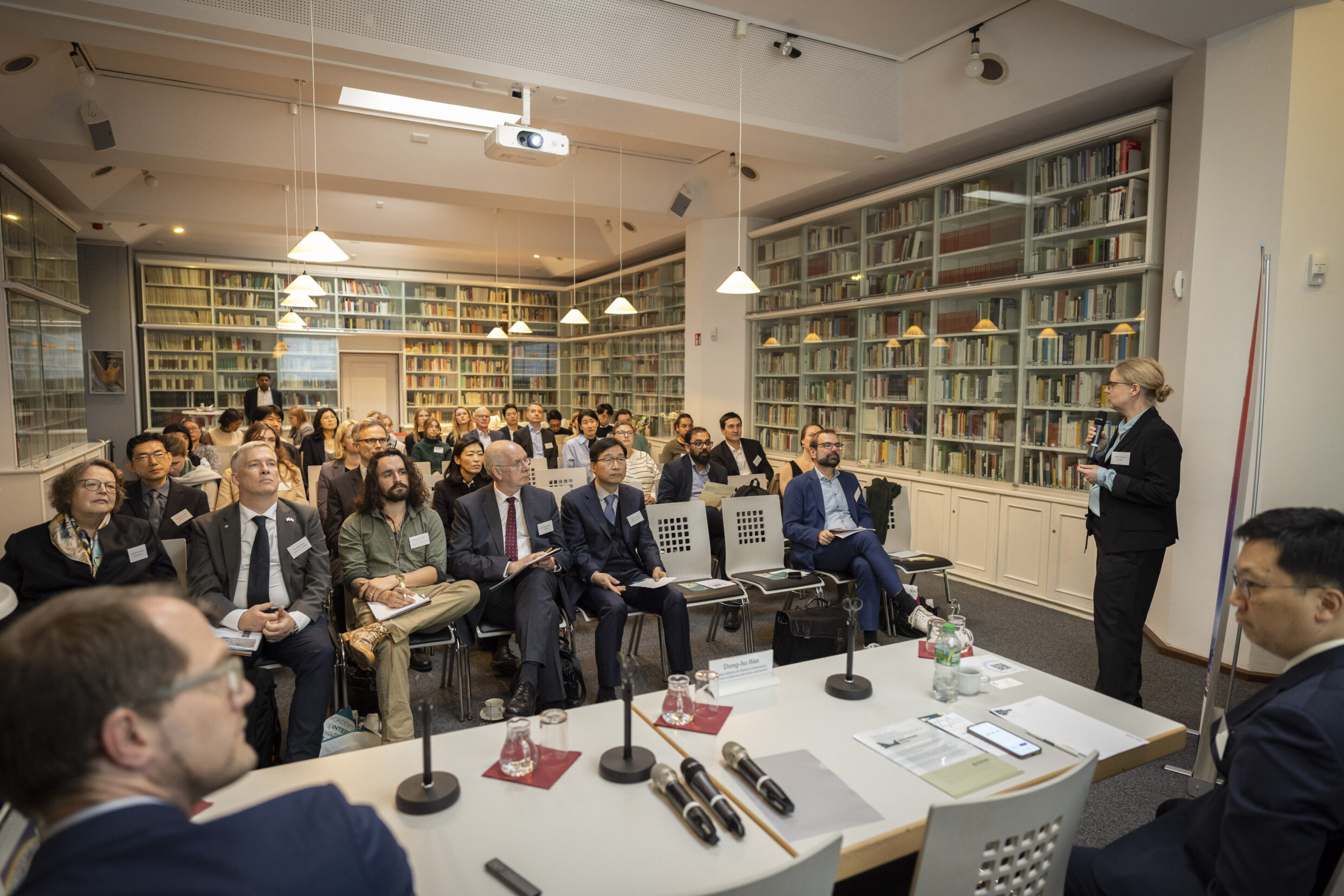
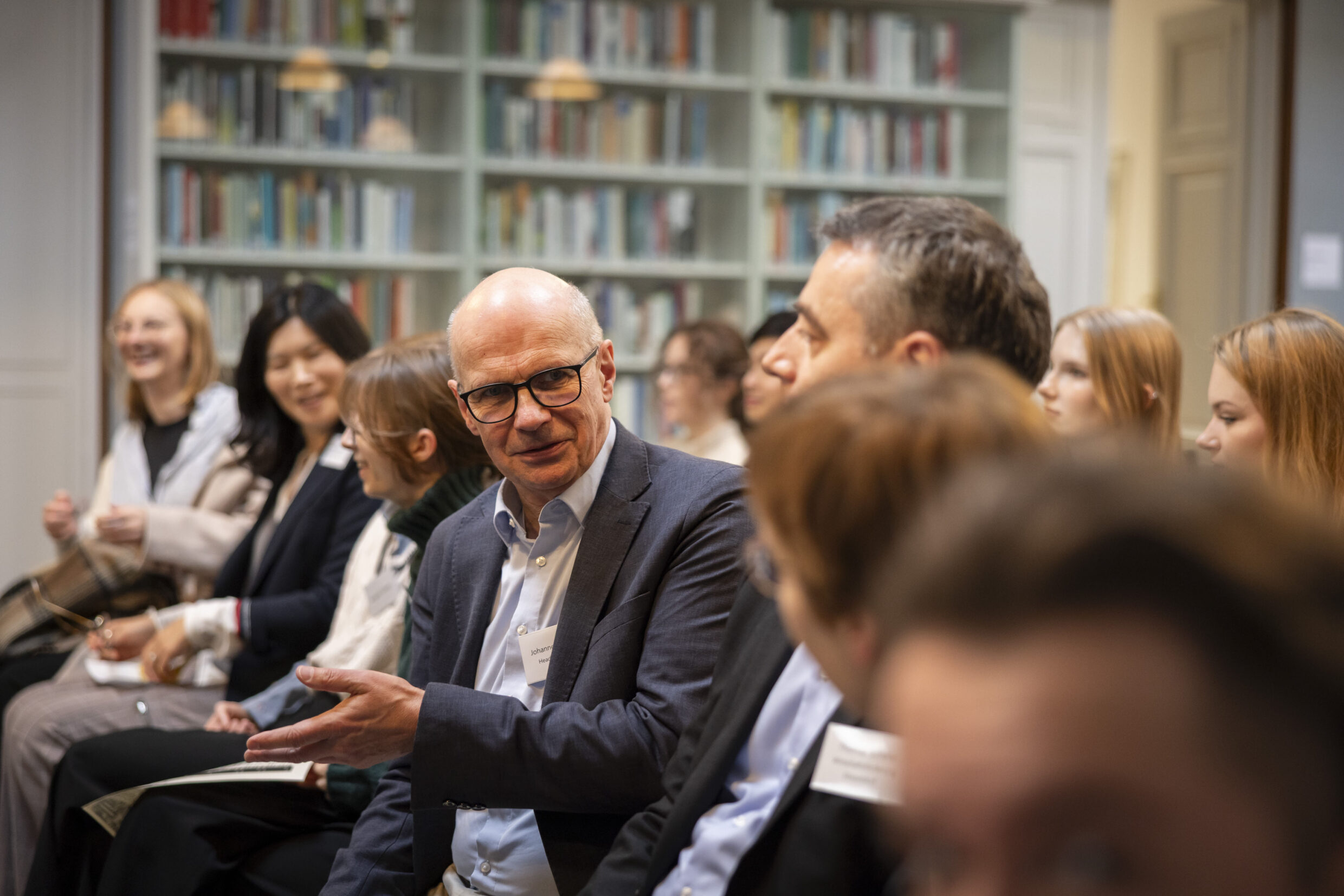
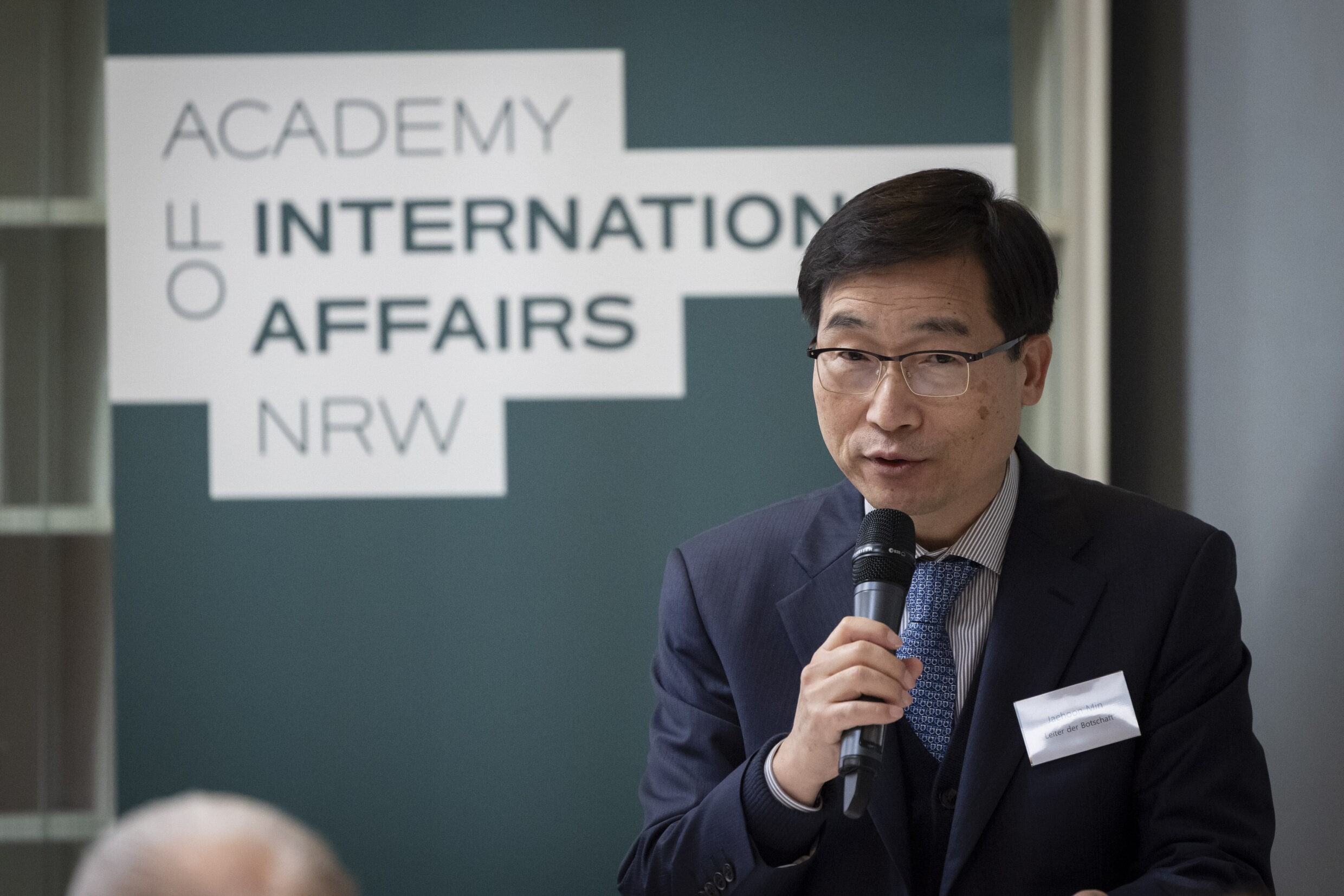
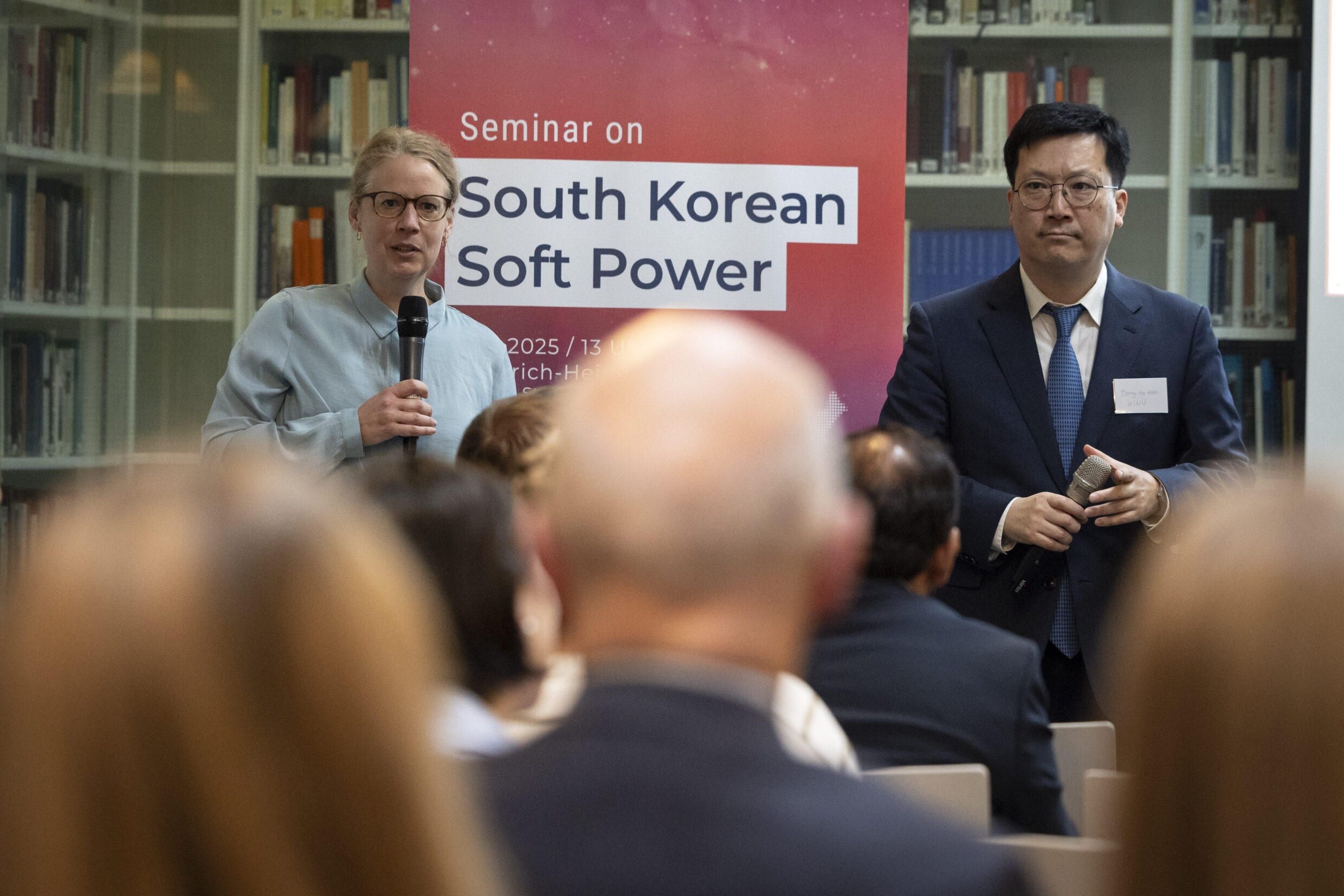
In front of an audience of more than 60 interested listeners, the AIA NRW, in its proven cooperation with the Korean Embassy, Bonn branch, organised a public event on the topic of ‘More than the “Korean Wave”: Cultural Diplomacy as Part of Soft Power Strategies’ at the Heinrich Heine House in Düsseldorf. The event tied in with a fellow workshop on soft power organised at the academy the day before. Cultural diplomacy has undoubtedly become an important instrument of foreign policy for states.
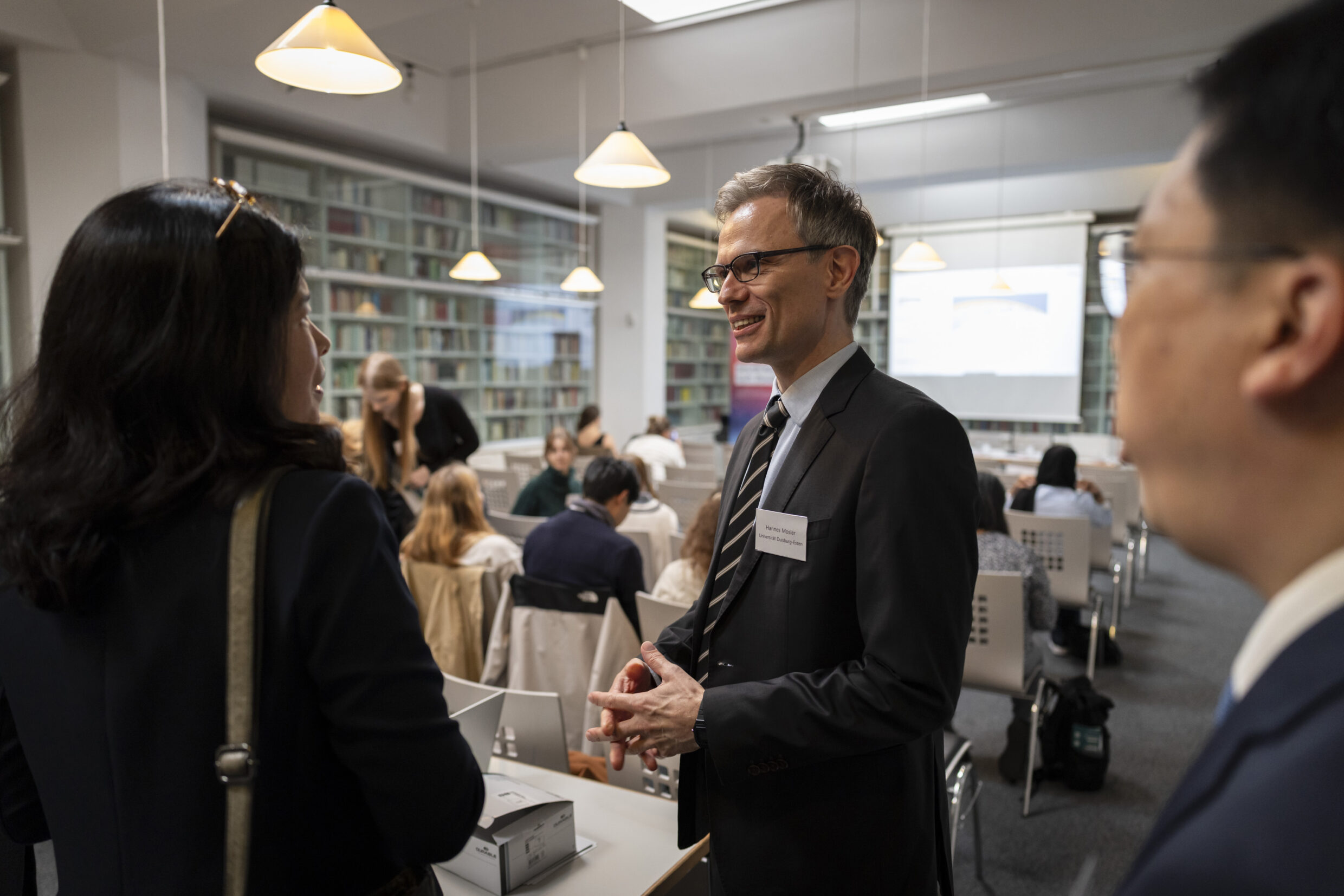
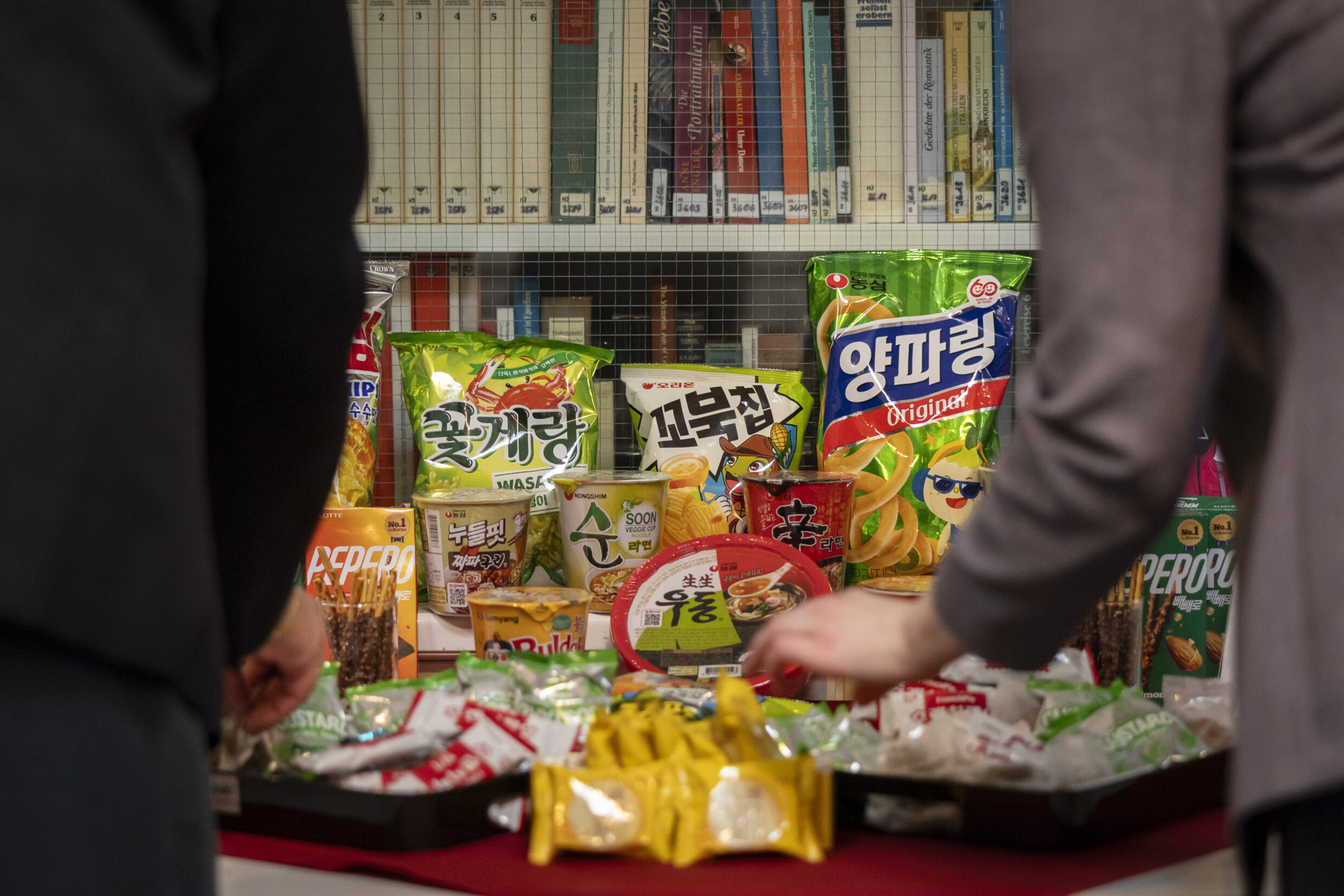
Four panels first discussed the Korean Wave, with K-Food, K-Pop and BTS to name just a few keywords. Dongho Han (Korea Institute for National Unification, Seoul) spoke about the role of public diplomacy with regard to the reunification of Korea and presented his institute’s latest survey results on this topic, while Natalia Grincheva (Lasalle University, Singapore) presented her data on the predicted impact of the Korean Wave. Hannes Mosler from the University of Duisburg/Essen commented on Natalia’s project. The perspective was then broadened beyond Korea to include further case studies.
Presentation of the Hallyu Tracker developed by Natalia Grincheva
Susanne Baumgart from the Goethe Institute presented the Goethe Institute’s concept, discussed the concept of cultural diplomacy and shared personal experiences from her decades of work for the Goethe Institute.Finally, AIA Fellow Stuart MacDonald and Brendan Howe from Heidelberg University discussed the implications of soft power for diplomacy and foreign policy in the future with the audience, which included students, academics, policy makers and stakeholders from the worlds of culture and business.
Ralph Sondermann
Ralph Sondermann
Ralph Sondermann
Ralph Sondermann
Ralph Sondermann
Ralph Sondermann