
AIA NRW, Katja Velmans
Fellows
-

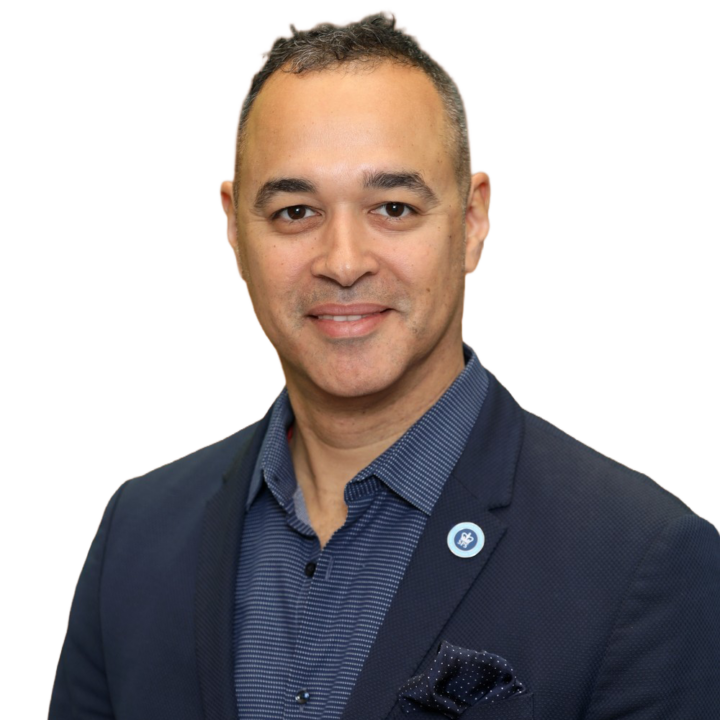 MediationPeace StudiesSecurity Studies
José Pascal da Rocha
Bridging the Gulf: Small-State Mediation, Structural Shifts, and Implications for German Foreign Policy
To profile
Qatar, Türkiye, Saudi Arabia and the UAE are becoming increasingly influential as mediators in international conflicts. The “Bridging the Gulf” project examines this shift, its motivations and different mediation approaches, and asks whether global peacemaking is becoming more multipolar. For Germany, this transformation presents both challenges and opportunities, requiring new partnerships with emerging mediation powers and greater coordination of diplomatic capabilities, particularly in conflicts where Europe is no longer the primary convener. -
 DiasporaGender StudiesMigration
Erman Örsan Yetiş
Navigating Uncertainty in a Transforming Europe
To profile
This project examines how Turkish-speaking migrants who arrived in Europe after 2013 experience and respond to social, economic, and political uncertainty in the UK, Germany, and the Netherlands. It investigates how structural uncertainty is lived, endured, and reinterpreted, offering new conceptual and empirical insights into migration, transnational politics, and structural transformation. -
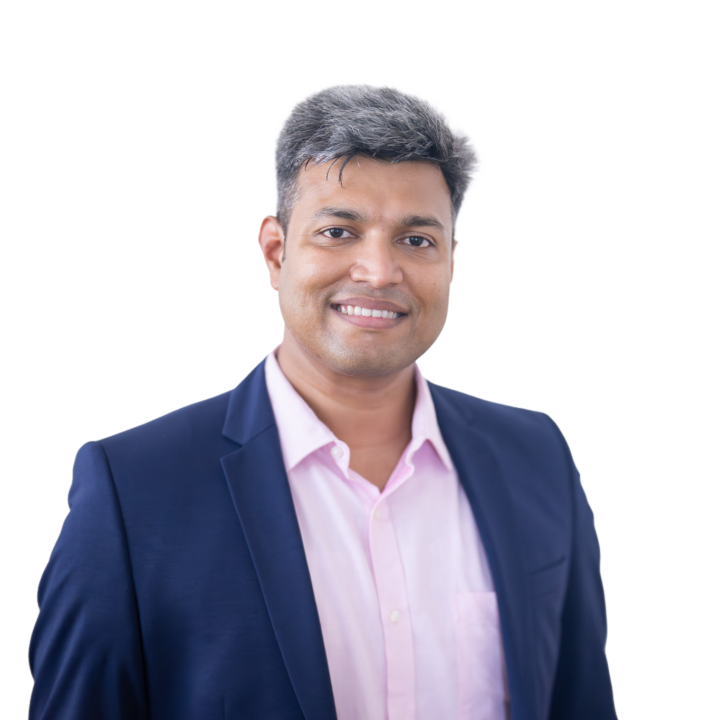 Artifical IntelligenceDevelopment Economics
Tuhinsubhra Giri
Structural Transformation in the Age of Digitalisation and AI: Labour Market Shifts and the Politics of Inclusion
To profile
Digitalisation and AI are fundamentally reshaping global labour markets. While macroeconomic impacts are well-documented, the role of subnational actors-city governments, regional governments, and others- in mediating these shifts remains under-researched. This project investigates how digitalisation and AI influence labour structures and evaluates subnational policy responses to mitigate displacement and foster inclusion through adaptive skill-building and localised initiatives. -
 African PoliticsClimate JusticeAssociate Fellow
Fadzai Chipato
Climate Justice and Finance in Africa
To profile
This project examines structural inequalities in global climate finance and how unmet commitments from developed countries affect trust and cooperation with Sub-Saharan Africa. Using policy analysis, case studies, and stakeholder interviews, it explores how climate finance systems can be restructured to promote equity, accountability, and stronger African participation in global climate governance. -
 Comparative PoliticsInternational Relations
Zarina Burkadze
Great Power Politics and Democratization in the South Caucasus
To profile
The rise of global authoritarian powers such as China, Russia, and Iran has transformed the unipolar world order and undermined efforts to promote democracy worldwide. This research addresses how small states adjust to such major shifts and examines the impact these changes have on regime development? To what extent do economic and energy routes define conflicts and their dynamics? Additionally, how can the South Caucasus contribute to the economic and political security of the European Union? These research questions are explored using a mixed-methods design. -
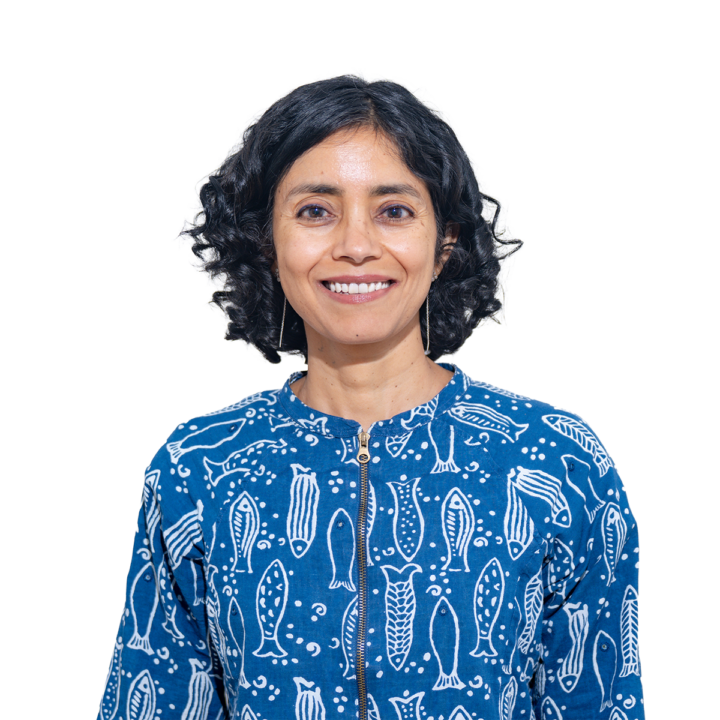 EconomicsAssociate Fellow
Ramya Vijaya
Debt Sustainability Versus Good Governance
To profile
My research is broadly on the interconnected crises of sovereign debt burdens, fiscal sustainability, and the need for fiscal space to address critical structural transformation challenges including the climate crisis, investments in vital social services, and development infrastructure. -
 International Relations
Cecile Pelaudeix
EU Energy Security and Structural Transformations: Greenland and Sweden Critical Raw Materials
To profile
EU policies to fight the existential threat of climate change, accelerate energy transition and ensure energy security can be met with fierce opposition captured by the phrase ‘not in my backyard’ or ‘green colonialism’. This project interrogates the political repercussions of critical material policies. The comparison of Sweden and Greenland assesses the conditions under which the implementation of EU policies is conducive to acceptance or is associated with resistance and political shift. -
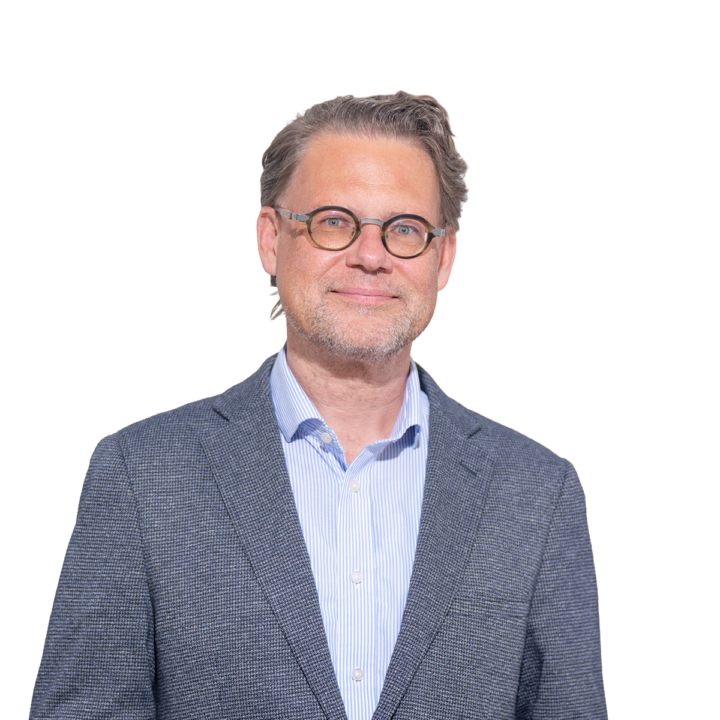 International RelationsOcean PoliciesAssociate Fellow
Christian Bueger
Beyond the Oceanic Disconnect: Recalibrating Global Ocean Governance
To profile
The past decade has witnessed a historic re-evaluation of the oceans. How can global ocean governance adapt to unprecedented maritime industrialization, climate crisis, and institutional fragmentation while addressing competing security, economic, and environmental priorities? -
 Artificial IntelligenceComparative PoliticsEnvironmental PoliticsSustainable DevelopmentAssociate Fellow
Yi hyun Kang
Governing AI and the Environment
To profile
This project addresses the urgent challenge of integrating global AI governance with environmental sustainability goals. As AI technologies rapidly expand, their environmental footprint raises concern. Yet, current global governance systems for AI and the environment remain fragmented. This project explores viable pathways for institutional interplay between AI governance frameworks and international environmental reg -
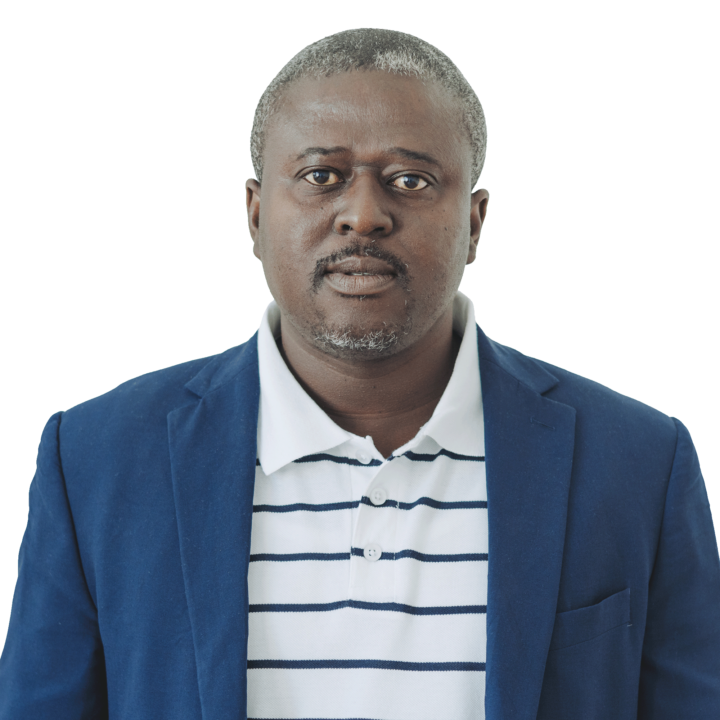 Artificial IntelligenceDigital GovernanceAssociate Fellow
Anthony Acquah
Ethical Tech Diplomacy in Germany-Africa Relations
To profile
As artificial intelligence (AI) becomes the cornerstone in global development, the ethical dogma of its deployment, especially in continents with emergent technological infrastructure such as Africa require urgent attention. This project seeks to explore Germany’s leadership role in advancing ethical AI standards in Africa, situating this endeavor within a broader model of ethical tech diplomacy. -
 Global DevelopmentHuman RightsPostcolonialismAssociate Fellow
Heloise Weber
Politics of the ‘Declaration on the Right to Development’
To profile
My project examines the politics and political economy implications of a key international development and human rights framework: the 1986 United Nations Declaration on the Right to Development (RtD). More recently the Rtd has been aligned with the United Nations 2030 Sustainable Development Goals (SDG) agenda, conceived as a central pillar for ‘implementation’ of the RtD. I examine the RtD in relation to (global) structural injustice. -
 Political EconomyAssociate Fellow
Filipe Mendonça
Competing for the Future
To profile
The US-China technological rivalry reshapes the global political economy and the liberal order. This project examines how Brazil and Germany respond to this structural change. While Brazil seeks neo-industrialization to avoid reprimarization, Germany faces strategic autonomy dilemmas within the EU. The research investigates how regional powers pursue technological resilience and viability under increasing geopolitical constraints.