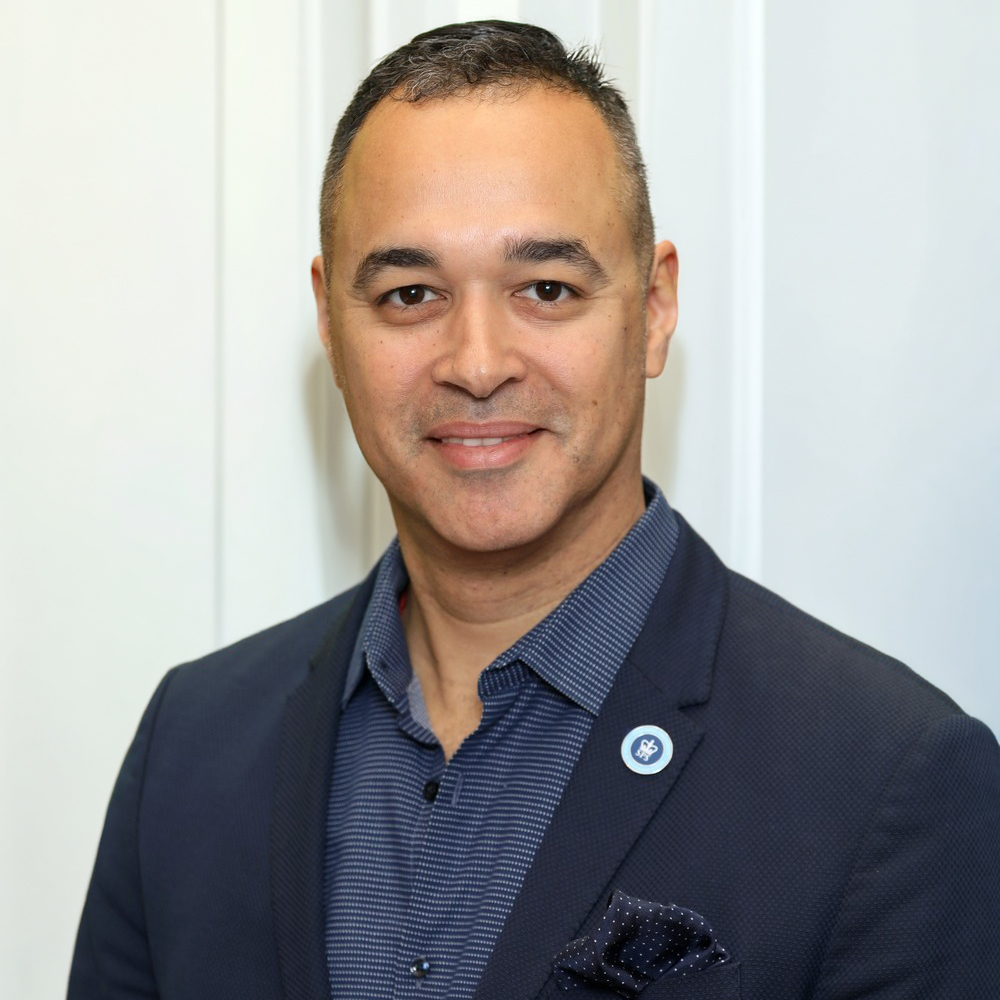
José Pascal da Rocha
Bridging the Gulf: Small-State Mediation, Structural Shifts, and Implications for German Foreign Policy
Qatar, Türkiye, Saudi Arabia and the UAE are becoming increasingly influential as mediators in international conflicts. The “Bridging the Gulf” project examines this shift, its motivations and different mediation approaches, and asks whether global peacemaking is becoming more multipolar. For Germany, this transformation presents both challenges and opportunities, requiring new partnerships with emerging mediation powers and greater coordination of diplomatic capabilities, particularly in conflicts where Europe is no longer the primary convener.
Biography
Dr Pascal da Rocha is a practitioner and scholar of international mediation with experience spanning the United Nations, OSCE, European institutions and African regional organizations. He currently serves as Political Adviser at the European Parliament and Senior Adviser to the African Union’s Mediation and Dialogue Division, while leading the ICGLR Mediation Coordination Mechanism. He also advises the AU Special Envoy on Women, Peace and Security. His work focuses on mediation, dialogue, conflict management and the changing role of regional and emerging diplomatic actors in international peacemaking. He has taught at Columbia University and published on mediation and conflict resolution.
Publications
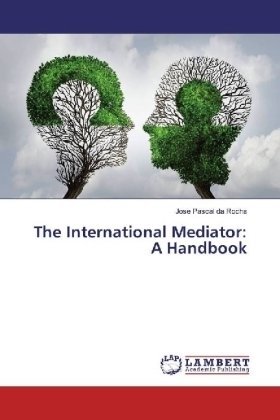
The International Mediator: A Handbook
Saarbrücken: LAP LAMBERT Academic Publishing 2017. ISBN: 978-620-2-00836-5
Available in five languages (English, French, Portuguese, Russian, Ukrainian).
The Changing Nature of International Mediation