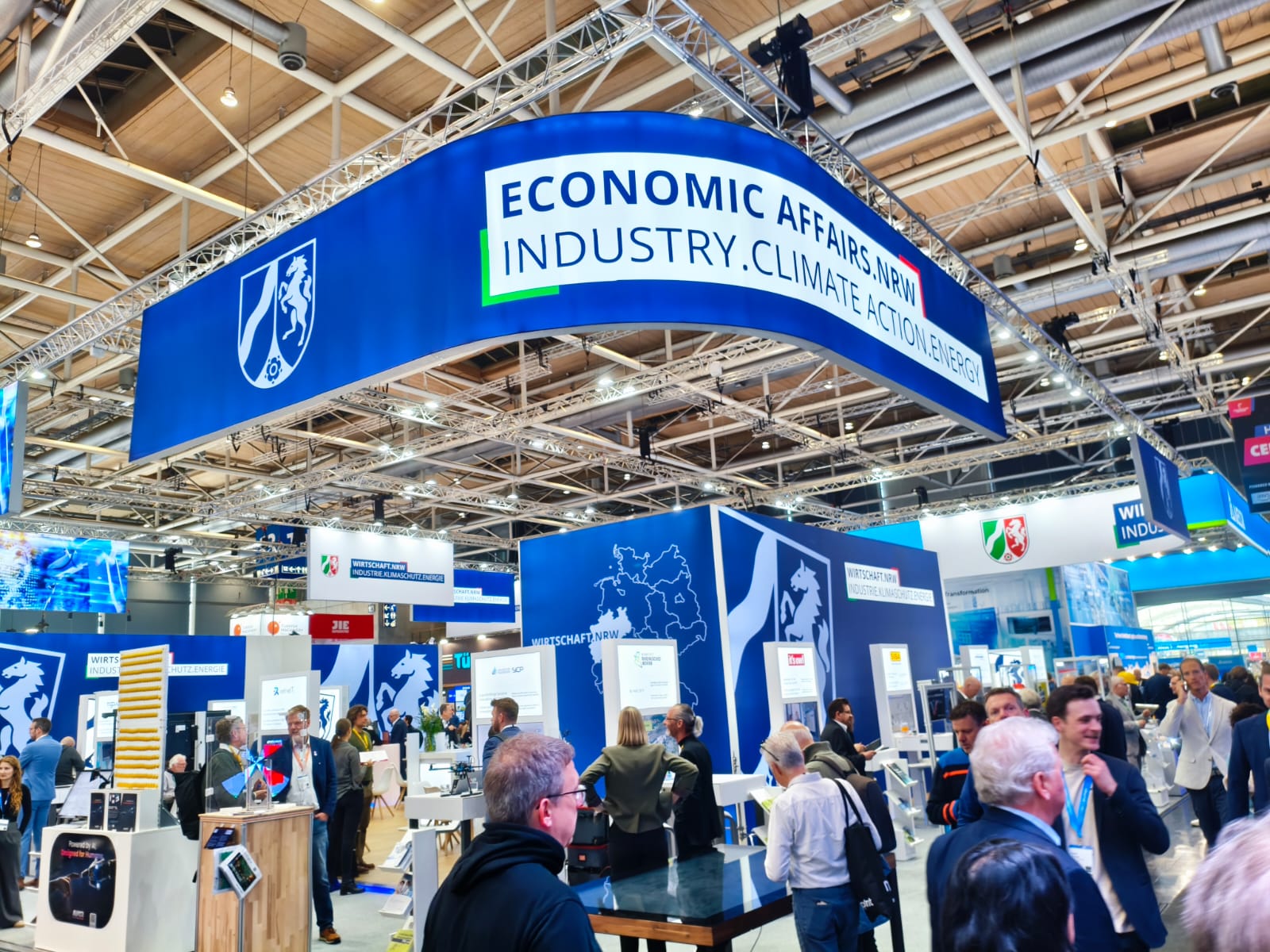
North Rhine-Westphalia (NRW) stands at the center of Germany’s energy transition challenge. As the country’s most productive industrial region, NRW is responsible for approximately one-third of Germany’s total greenhouse gas emissions, with its lignite power sector alone accounting for some 75 million tones of CO2 per year. The decarbonization of the state’s steel, chemical, and manufacturing industries is therefore inseparable from Germany’s national climate neutrality targets. Meeting that demand requires access to green hydrogen and renewable energy at scale, and that in turn requires strategic international partnerships.
Brazil has emerged as NRW’s most significant partner in this transformation. In October 2025, the Ministry of Economic Affairs, Industry, Climate Action and Energy of the State of North Rhine-Westphalia signed a Letter of Intent with the Government of the State of Ceará and the Federation of Industries of Ceará (FIEC), formalizing cooperation in renewable energy, green hydrogen, industrial innovation, logistics, and workforce training. The Ceará energy corridor, anchored at the Port of Pecém and connected to European industrial centers via Rotterdam and Duisburg, is one of the most advanced green hydrogen supply routes in development today. Brazil’s legal framework for green hydrogen (Lei 14.948/2024) and approximately R$ 18 billion in approved congressional incentives further consolidate Ceará’s position as a priority origin for the molecules NRW’s industries require. As discussants at the event confirmed, the infrastructure corridor is ready; securing offtake commitments on both sides of the Atlantic is now the decisive next step.
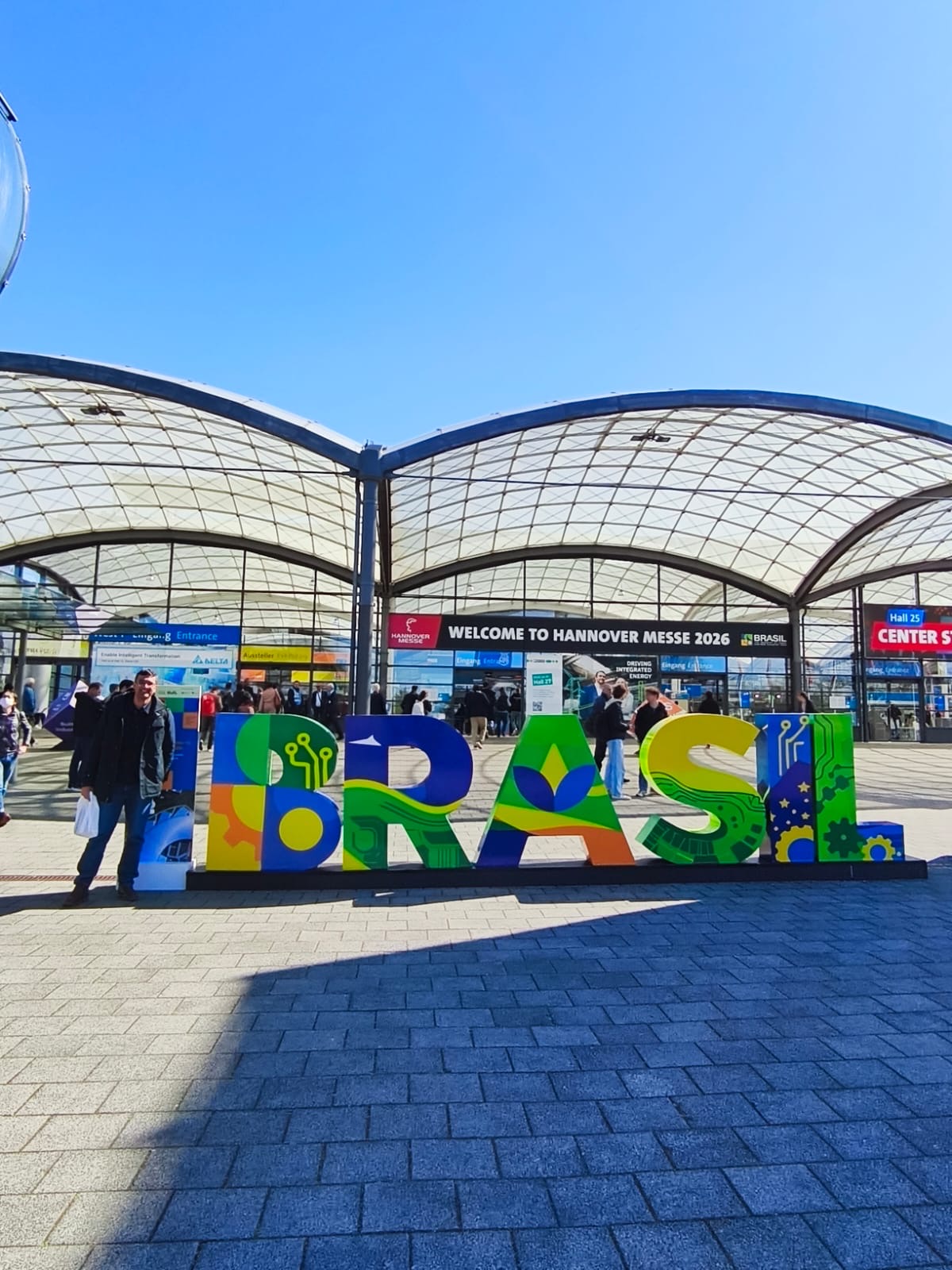
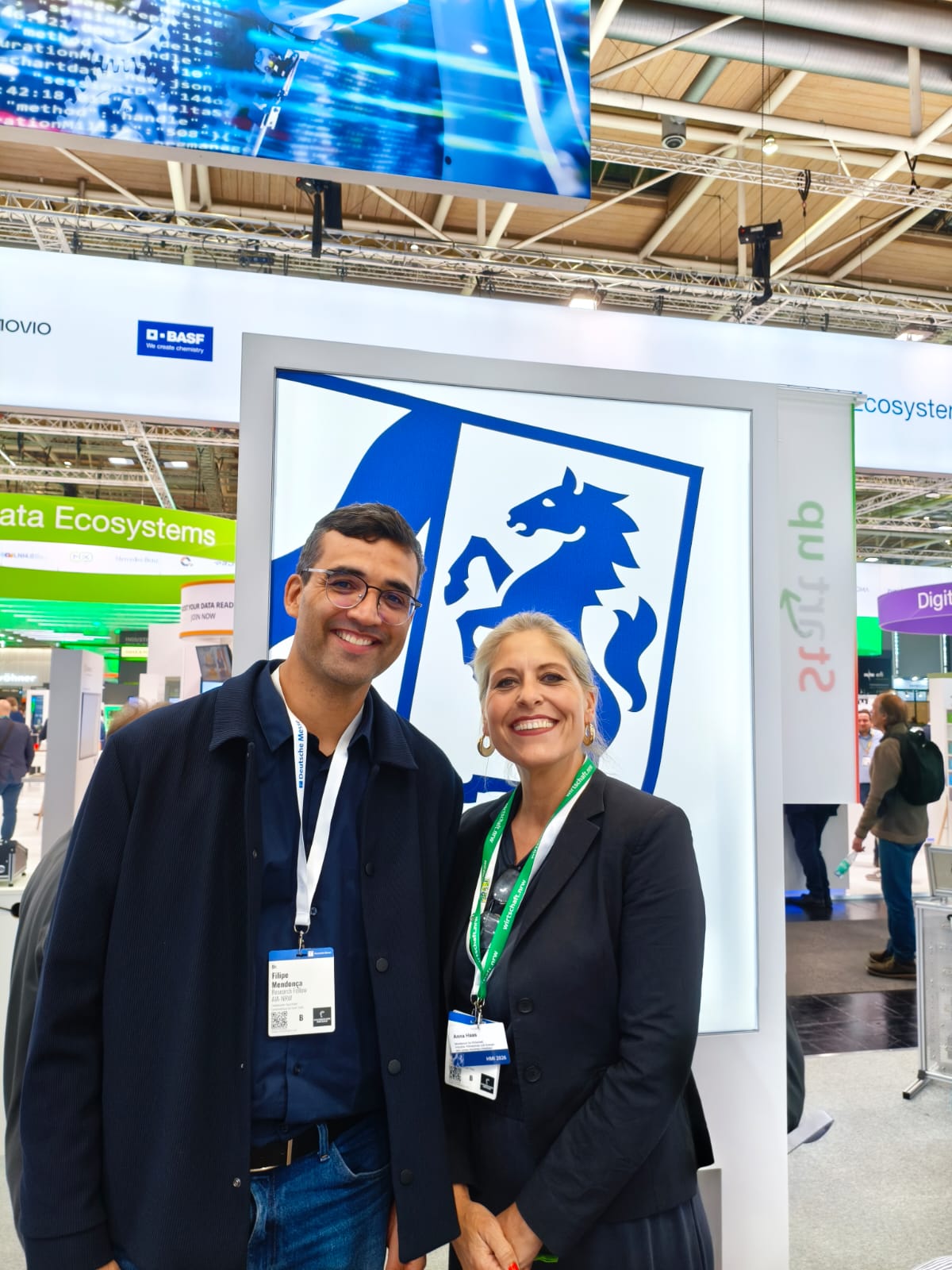
Opening the “NRW meets Brazil” networking event held on 22 April 2026 at Hannover Messe, Anna Haas of the Ministry of Economic Affairs NRW underscored that the relationship between NRW and Brazil has moved from political intent to operational reality. The 2025 Letter of Intent with Ceará has established a concrete basis for cooperation across priority strategic areas, and the forthcoming entry into force of the EU-Mercosul agreement on 1 May 2026 opens a further structural opportunity for bilateral trade and investment. In her view, Brazil is an indispensable partner for diversifying Germany’s energy supply at both the federal and subnational levels, and NRW is uniquely positioned to translate that partnership into concrete industrial outcomes.
Our new Fellow Filipe Mendonça participated in the Hannover Messe, at the invitation of the Ministry of Economic Affairs NRW, where he conducted interviews and carried out field research on the German–Brazilian economic partnership.