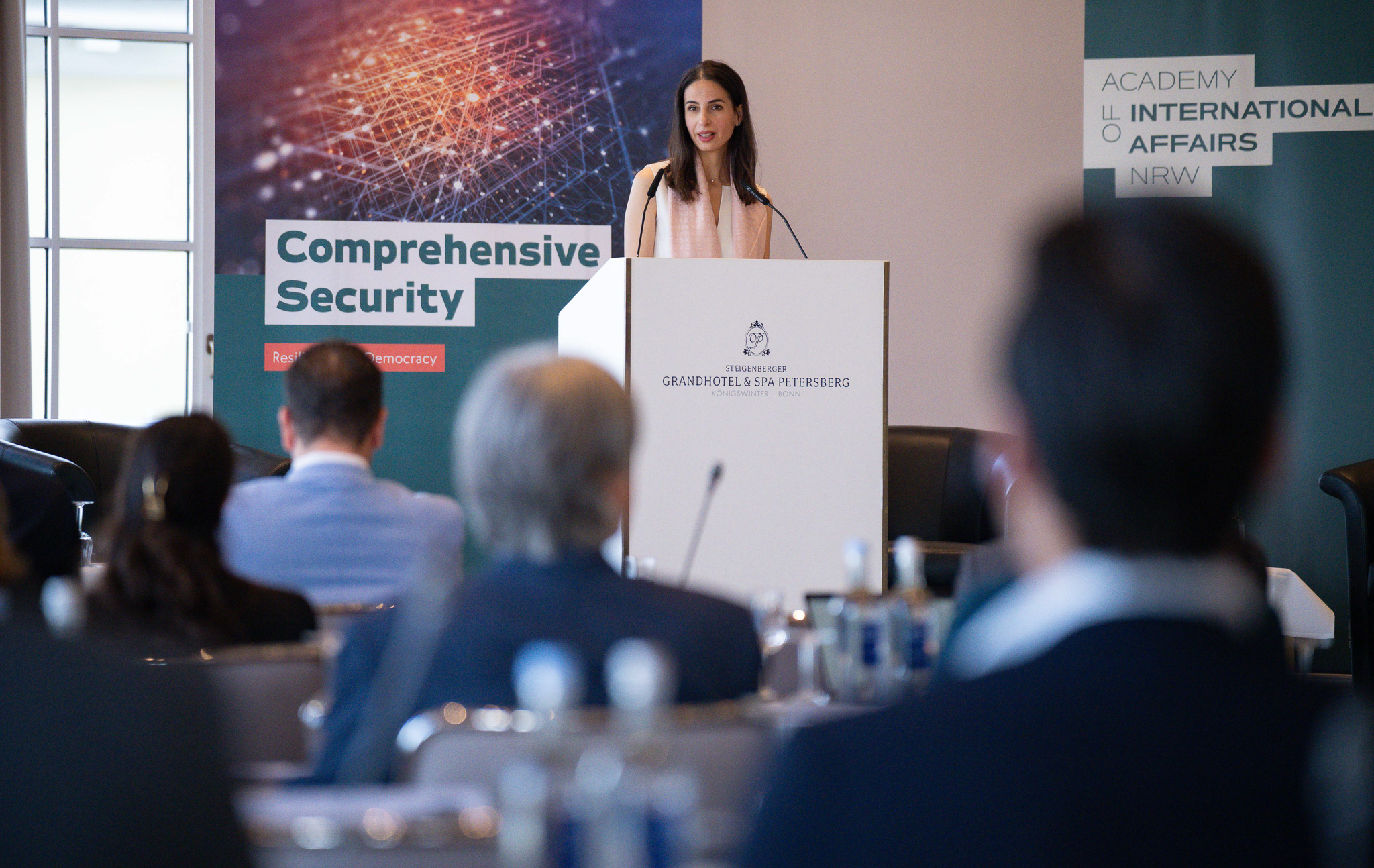
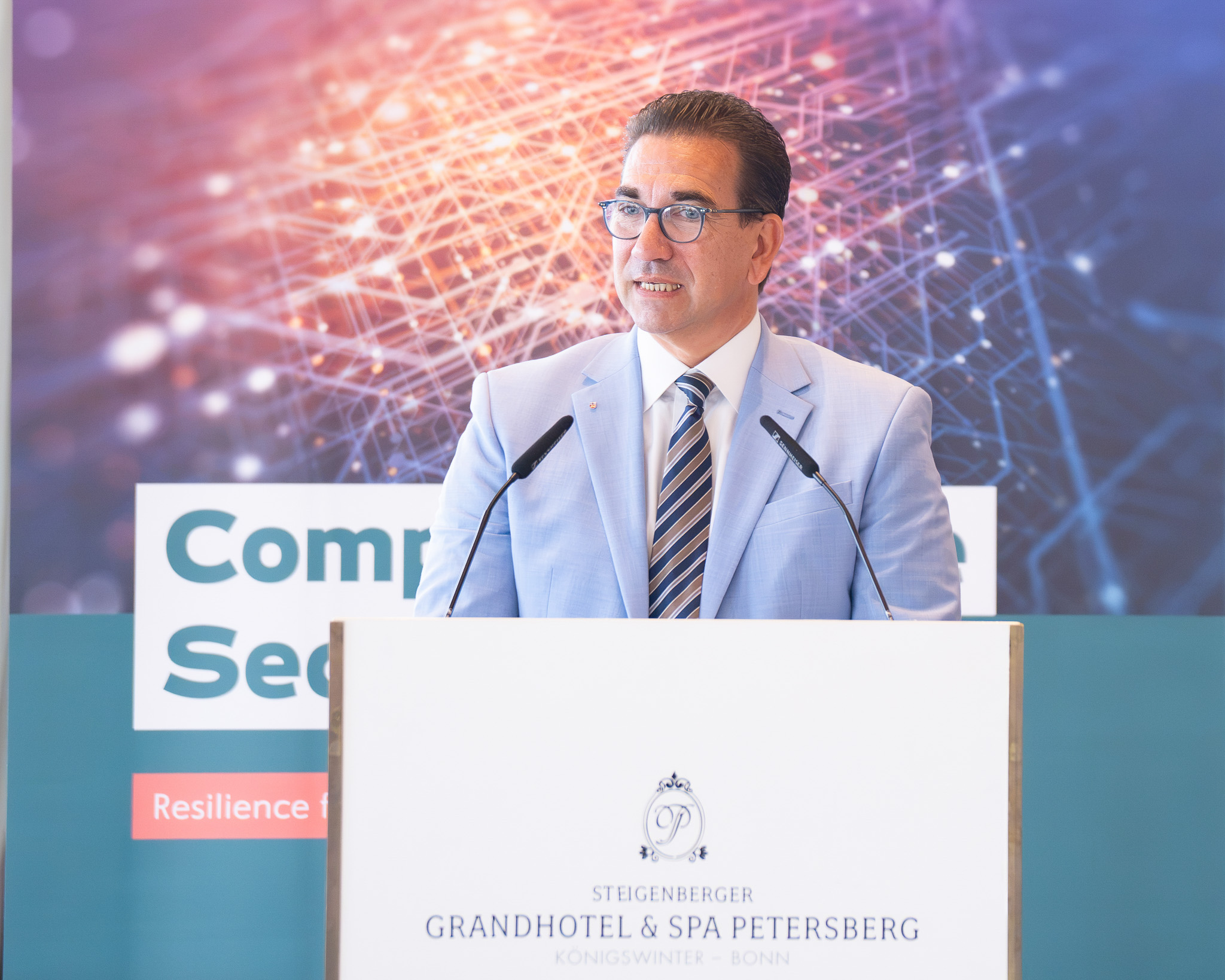
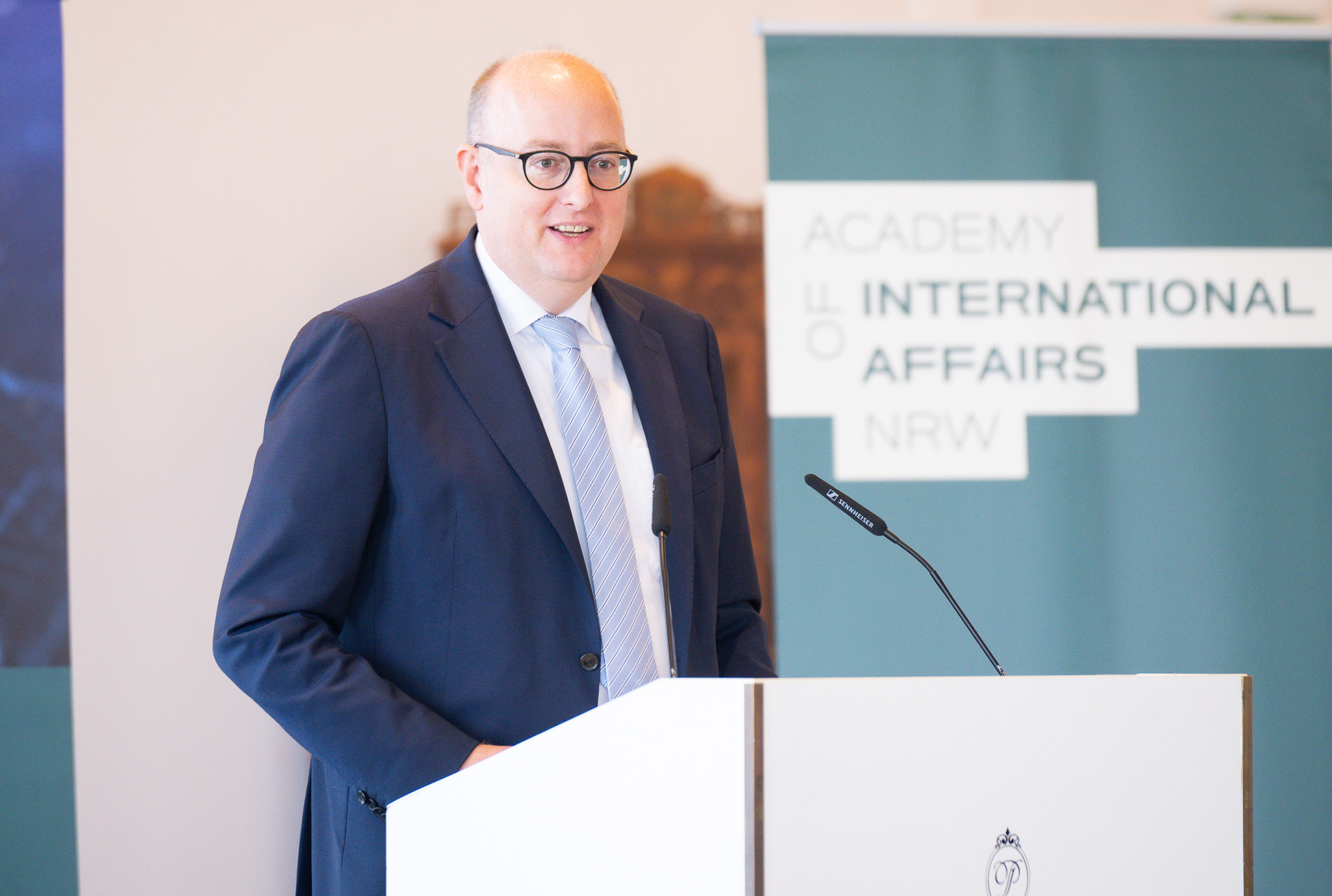
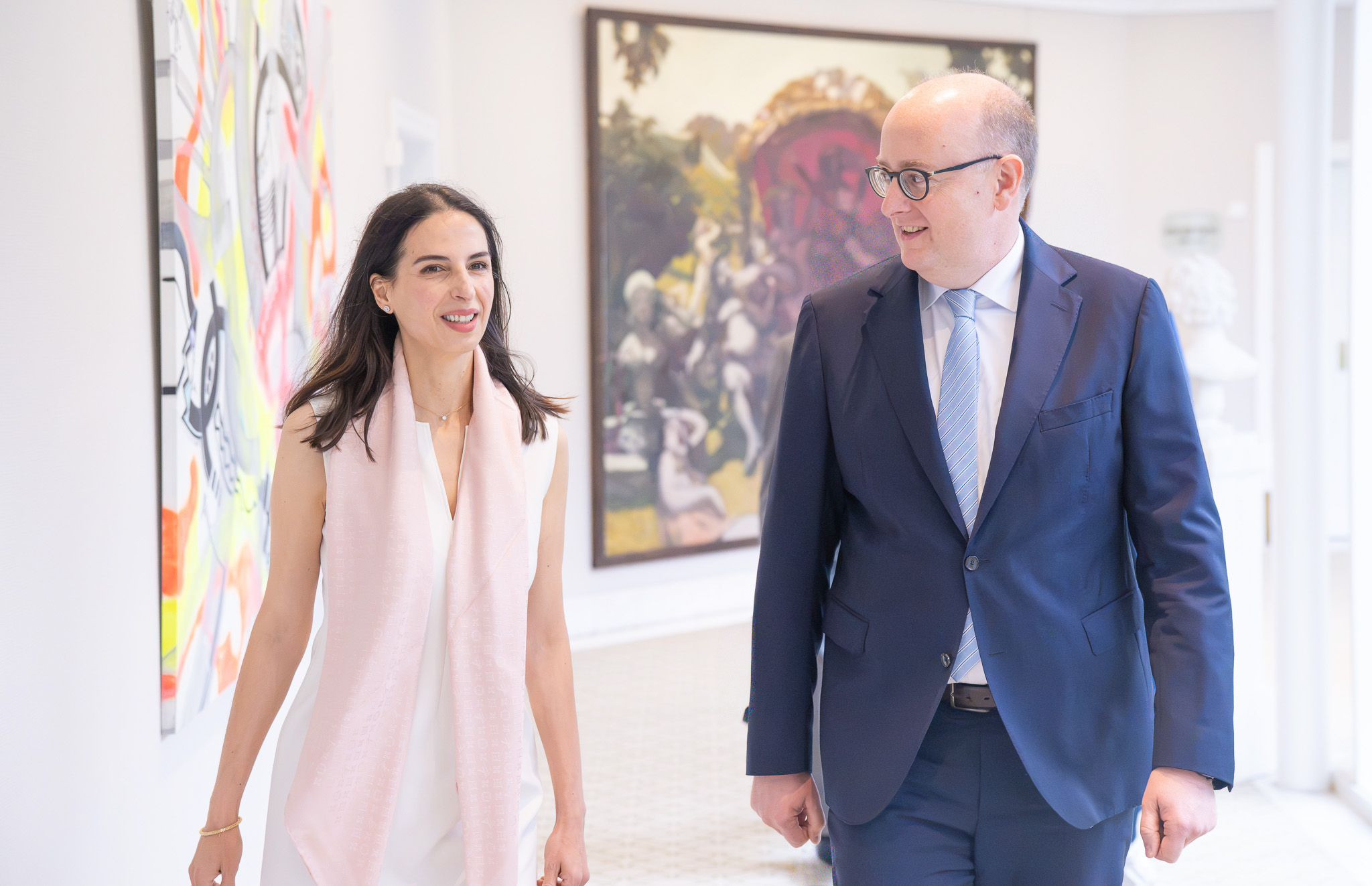
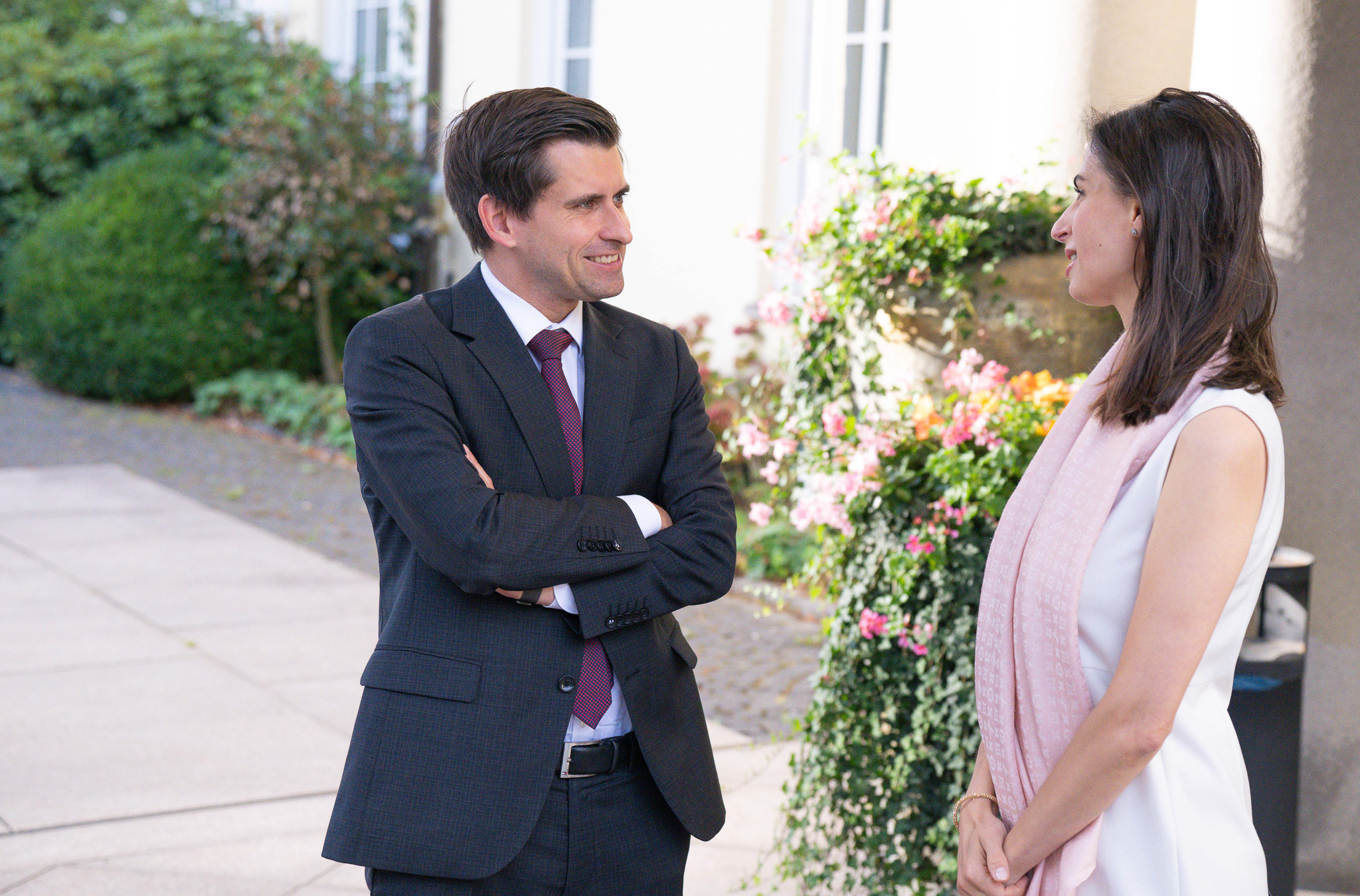
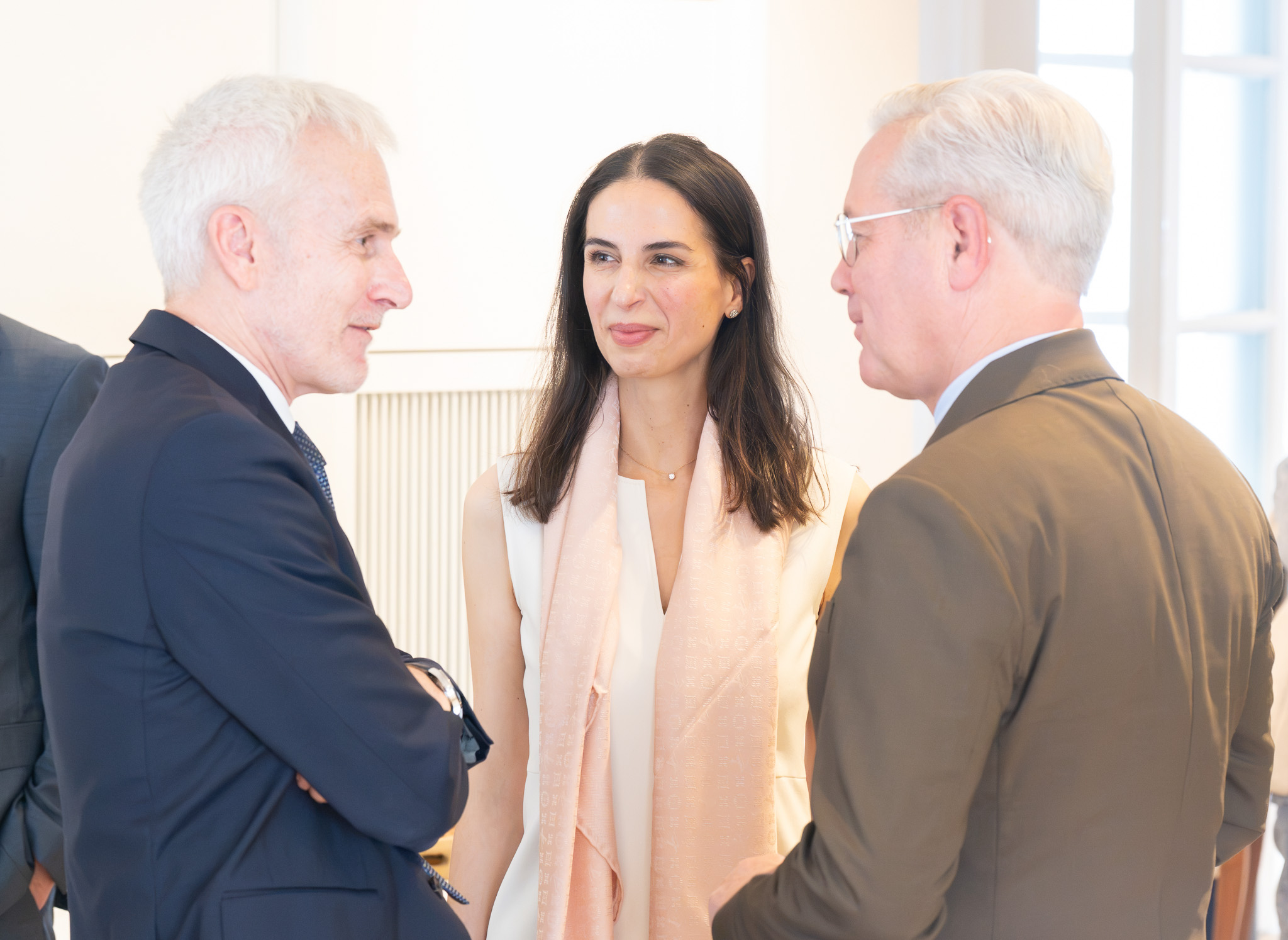
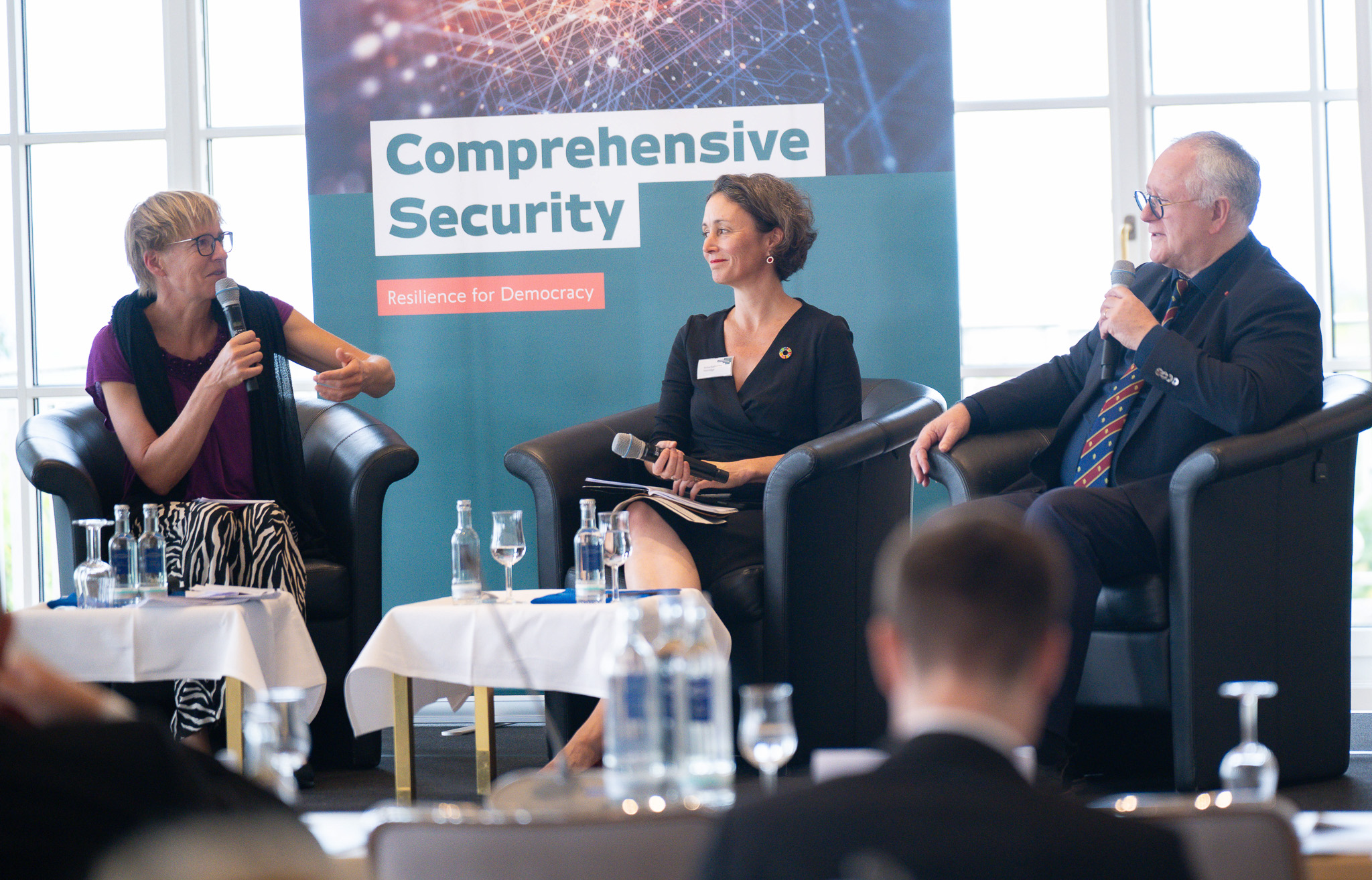
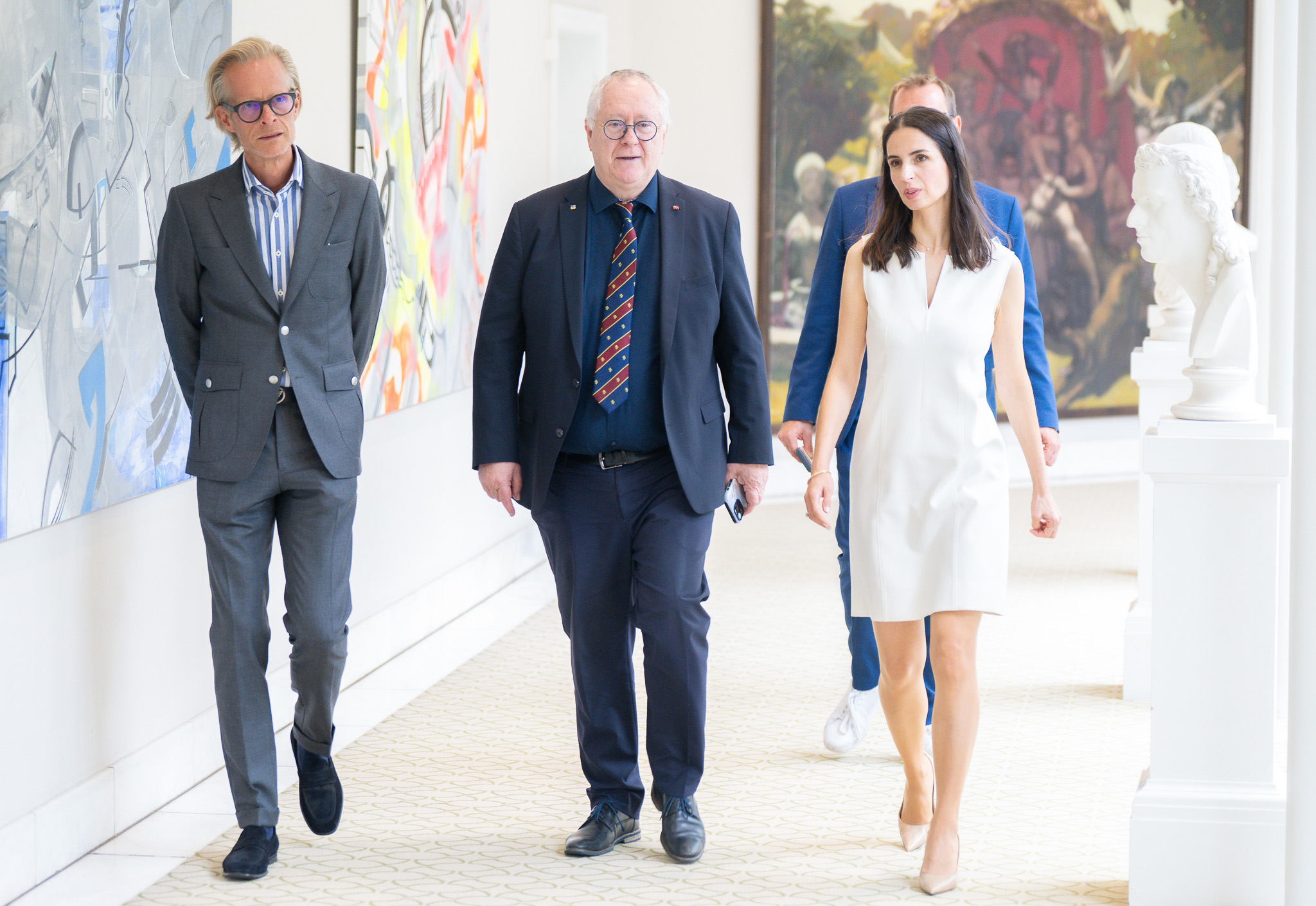
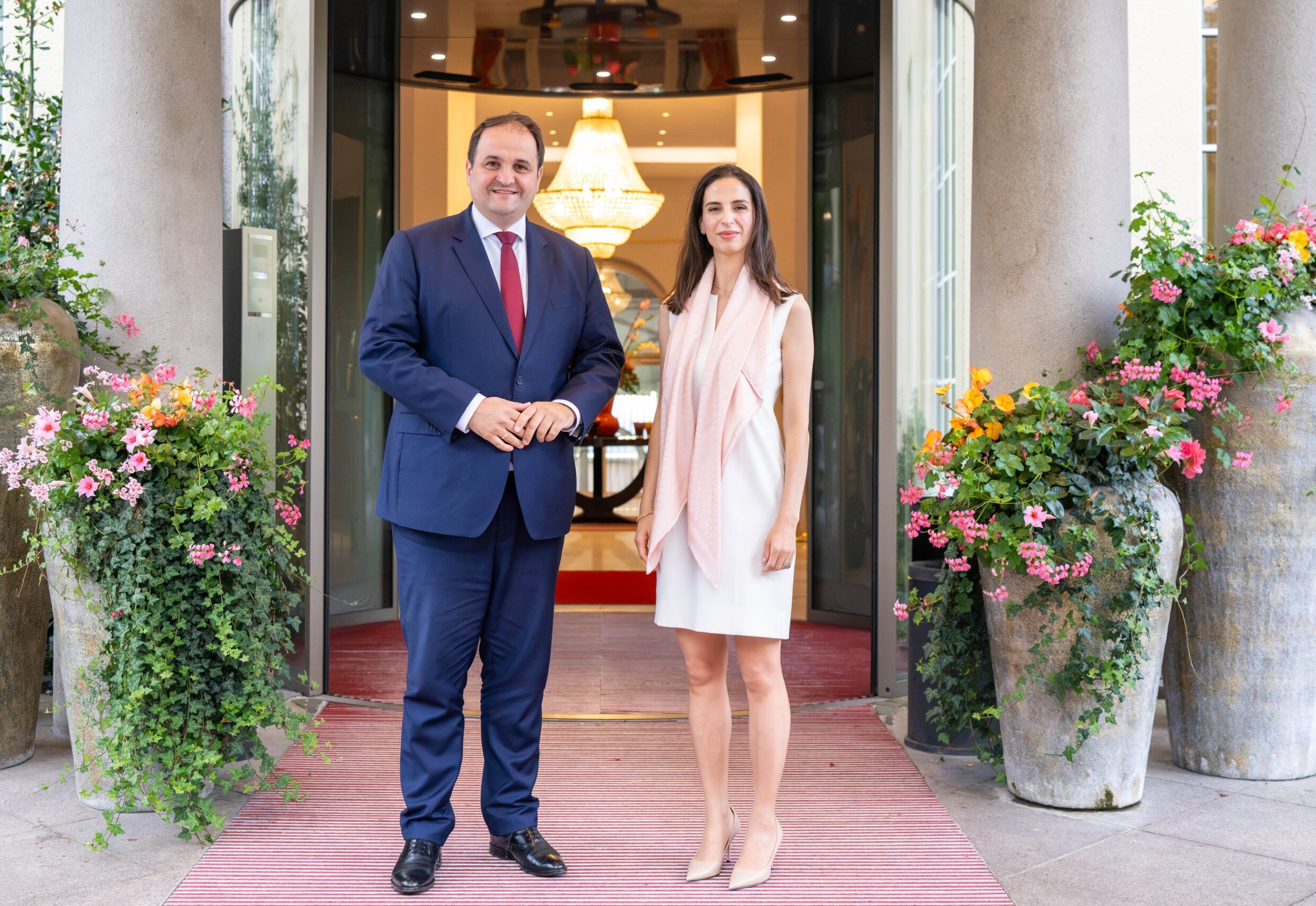
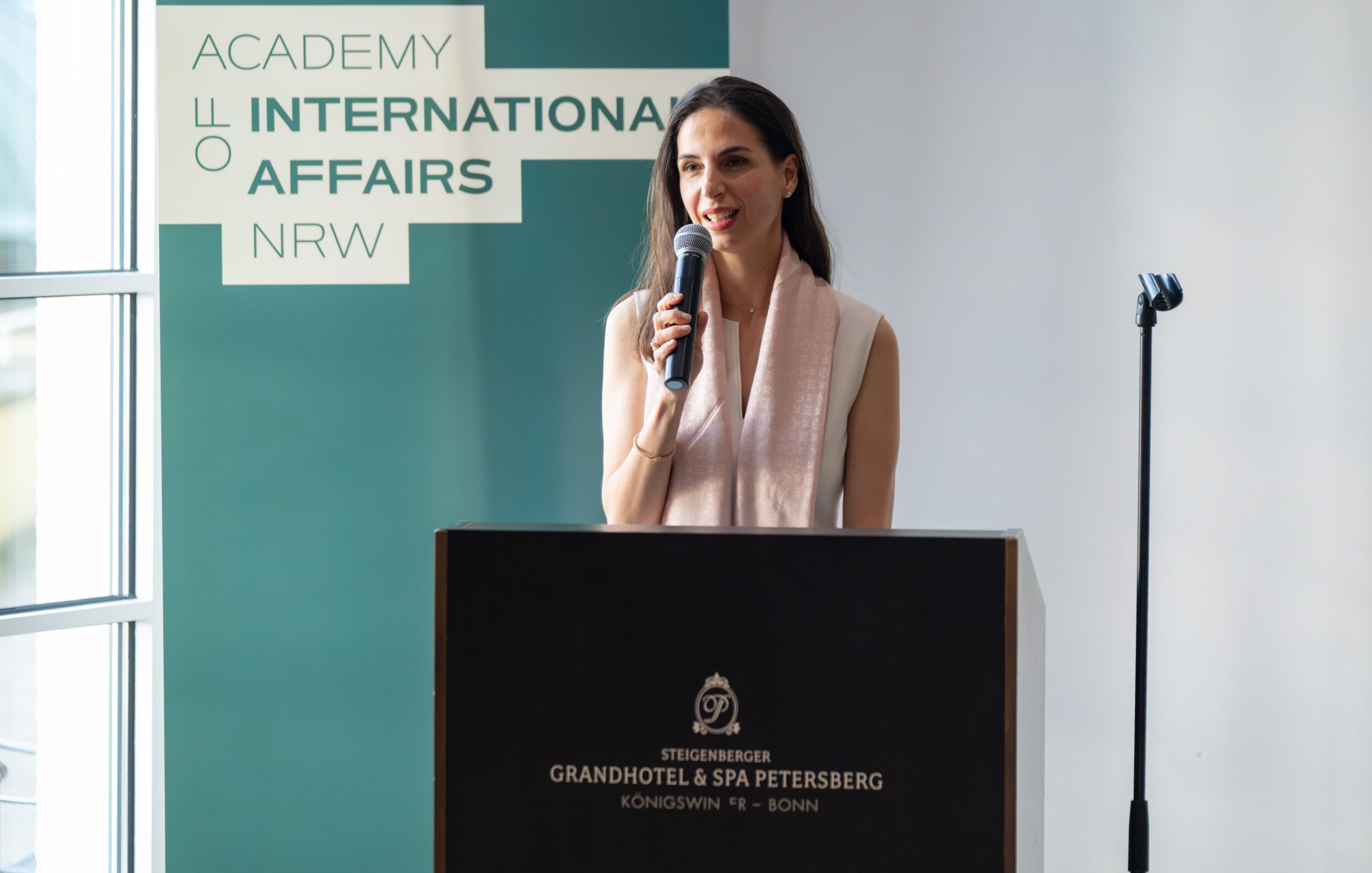
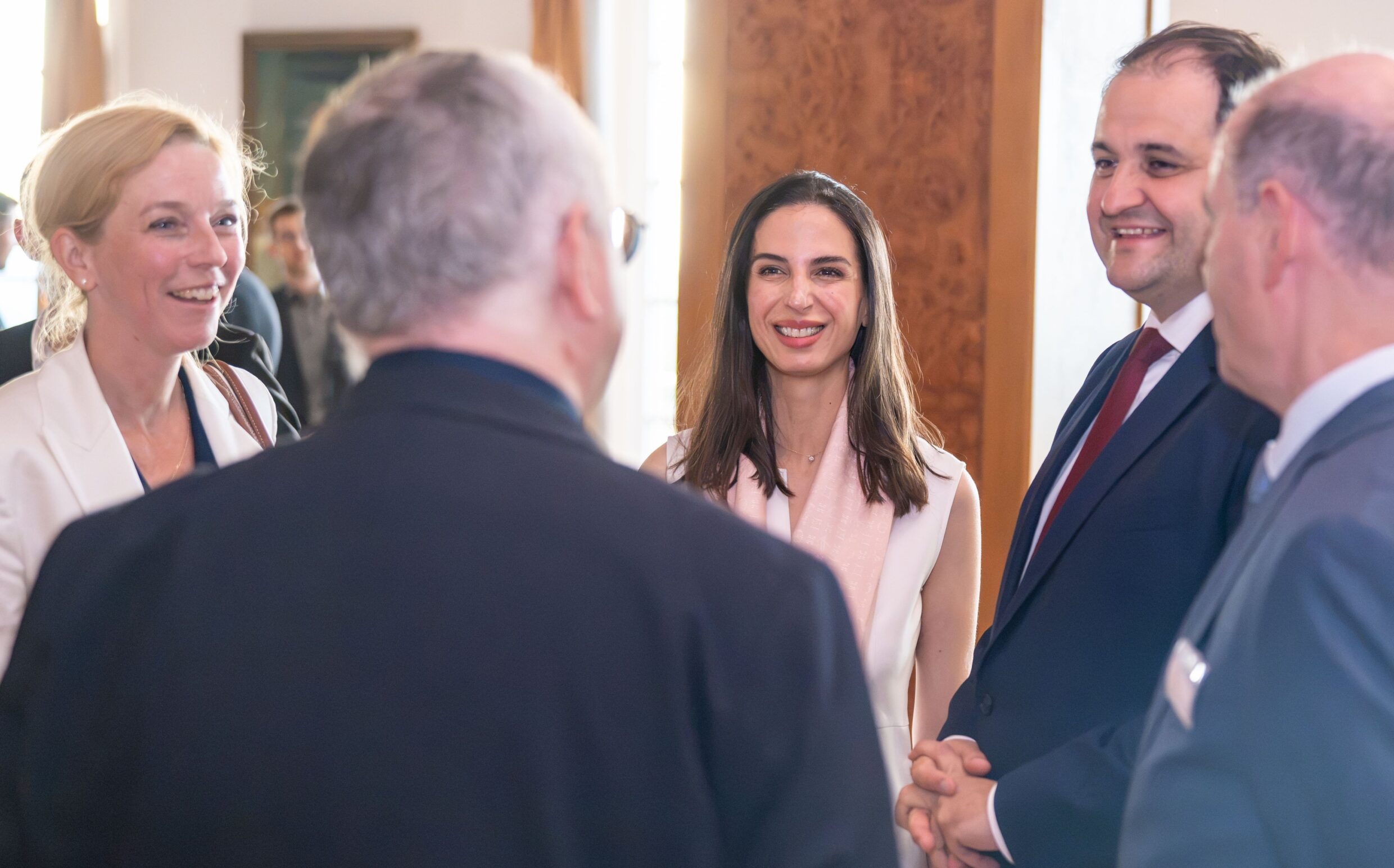
To mark the fifth anniversary of the Academy of International Affairs NRW, a full-day symposium was held at the Grandhotel Steigenberger Petersberg in Königswinter to explore how Europe’s security needs to be rethought in the face of far-reaching geopolitical changes. The focus was on a comprehensive concept of security that goes beyond traditional military and defence policy to encompass diplomacy, economic and technological resilience, the protection of critical infrastructure, and the stability of democratic institutions. The Academy’s invitation was followed by around 60 guests from the fields of academia, diplomacy and business, most of whom came from the various institutions in Bonn – a city renowned for its international role – and the Rhineland, as well as from various academic institutions in North Rhine-Westphalia and the Benelux countries.
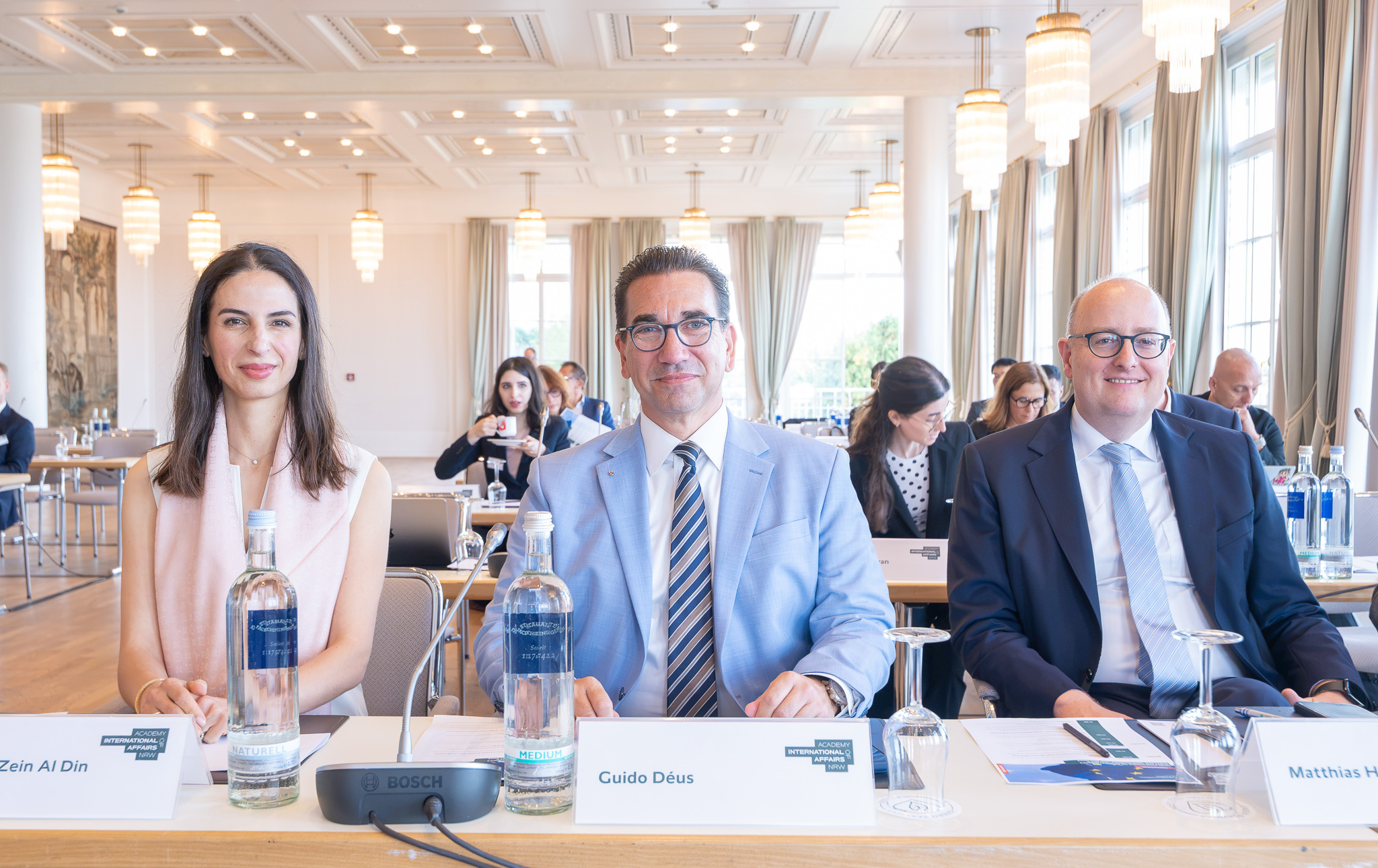
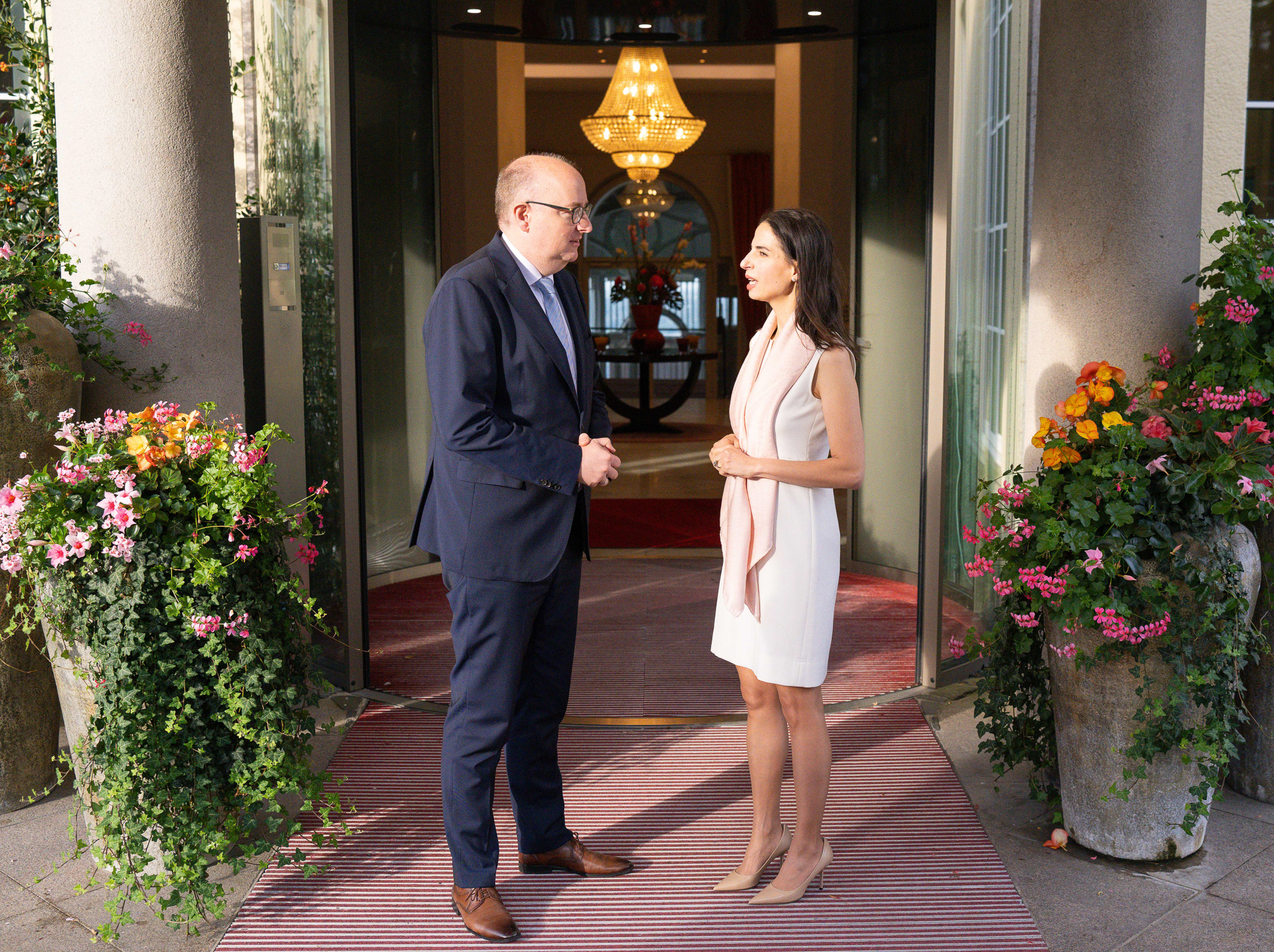
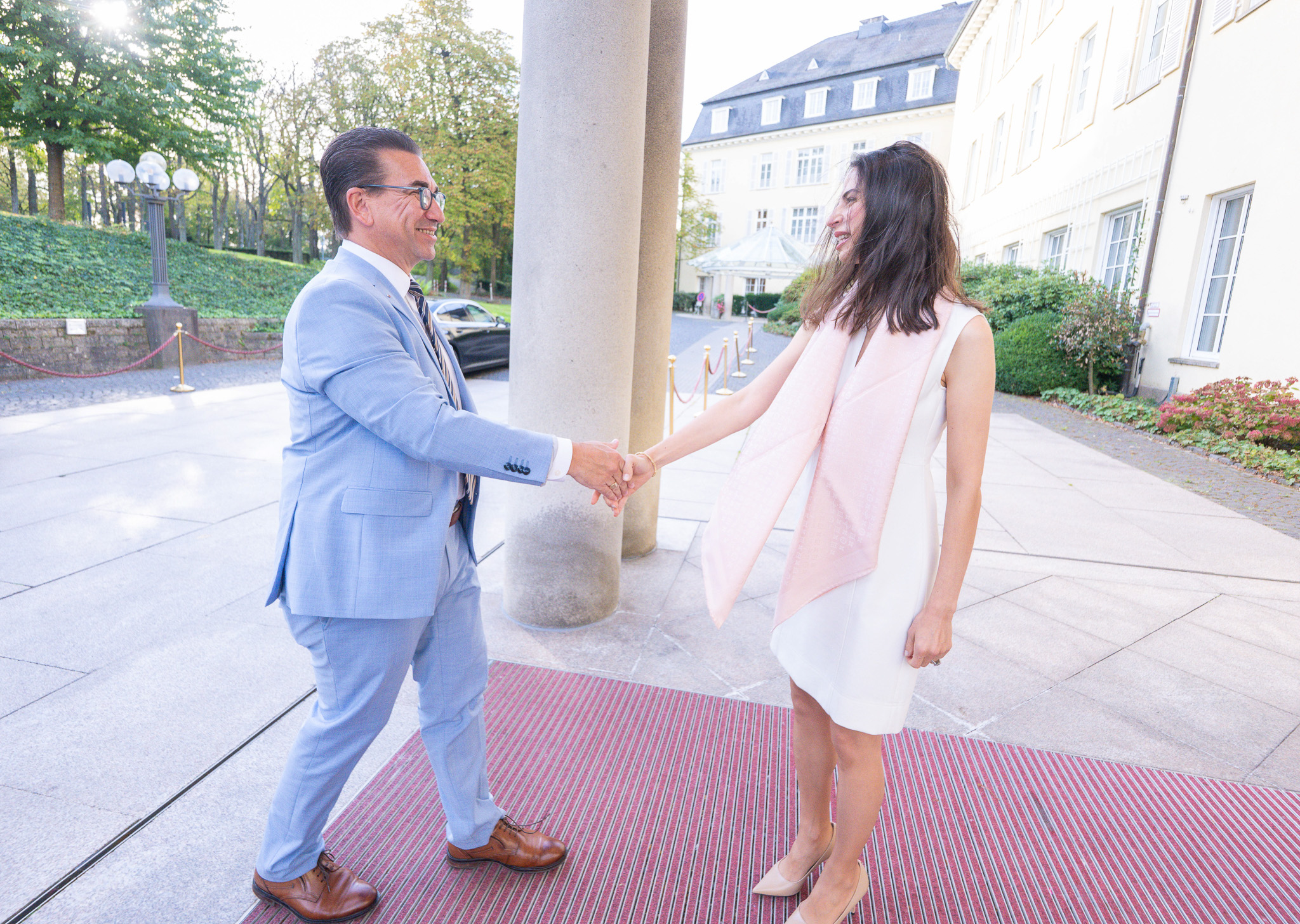
The event was opened by AIA Director Mayssoun Zein Al Din and Guido Déus, Lord Mayor of the City of Bonn. In his subsequent keynote address, Matthias Hauer, Parliamentary State Secretary to the Federal Minister for Research, Technology and Space, emphasised the importance of research and innovation for Europe’s future viability.
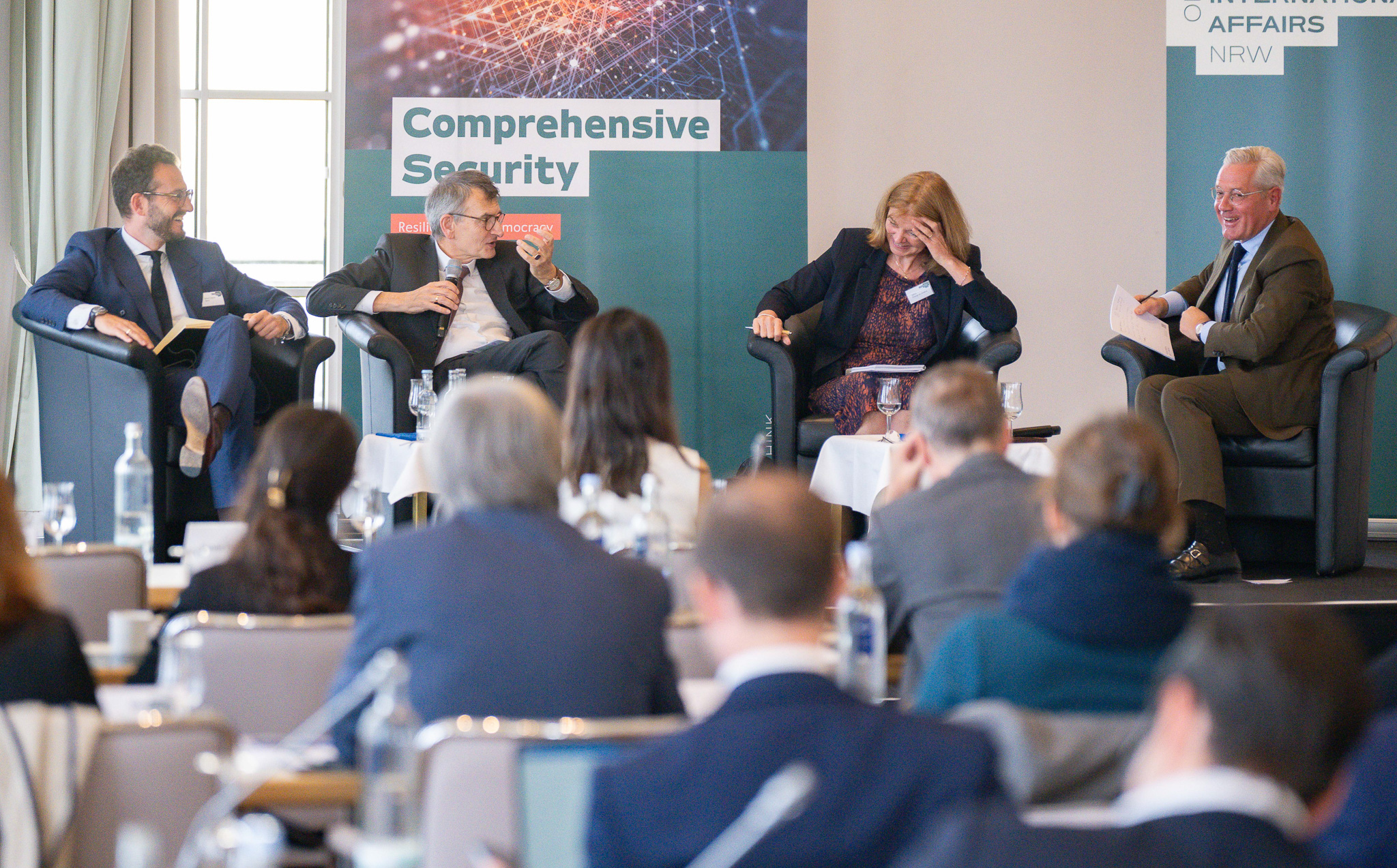
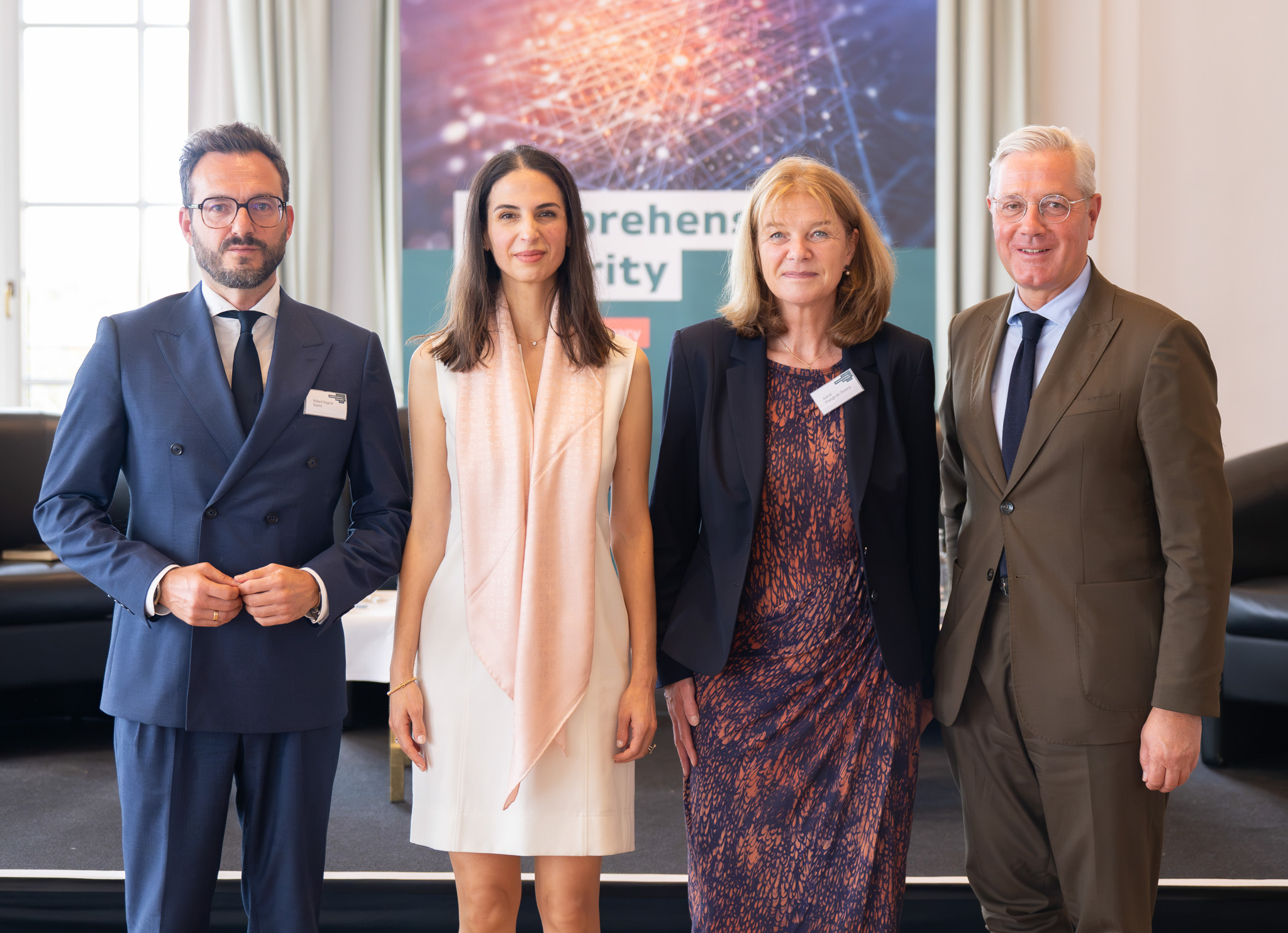
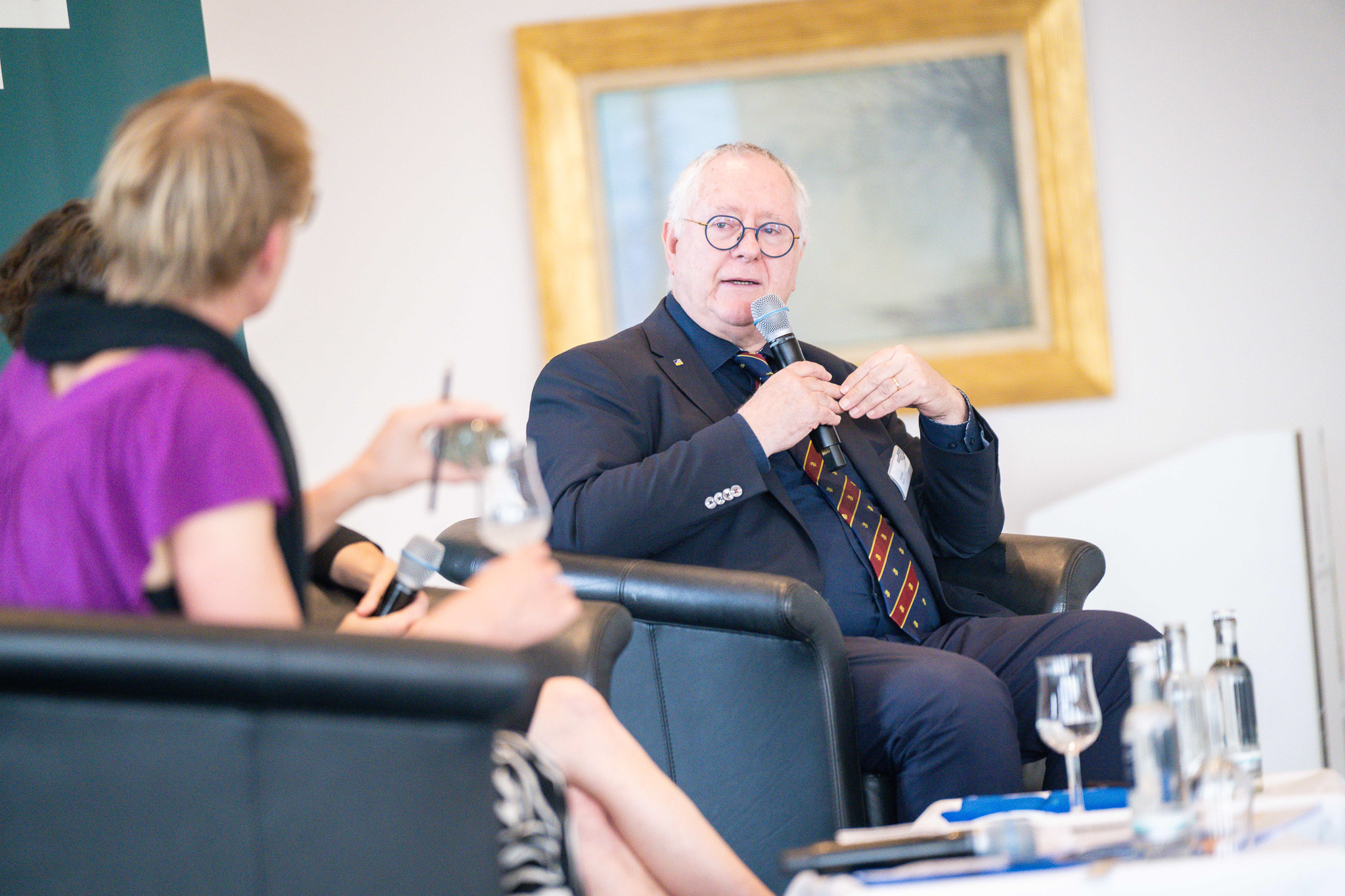
The first panel focused on the future of the international order and the relationship between multilateralism and minilateralism, and was moderated by Astrid Prange de Oliveira (Deutsche Welle). Political scientist Volker Perthes and former President of the European Court of Human Rights Robert Spano discussed how international cooperation can function in the context of increasing geopolitical rivalry. The question at the heart of the discussion was whether traditional multilateral structures remain sufficiently effective, or whether smaller, thematically or regionally limited forms of cooperation are gaining in importance. Various perspectives were exchanged on this topic, including a discussion of how one’s understanding of multilateralism relates to one’s respective view of human nature. The panellists were at least in agreement that, in an increasingly fragmented international order, Europe must represent its interests and values through both existing institutions and new forms of cooperation.
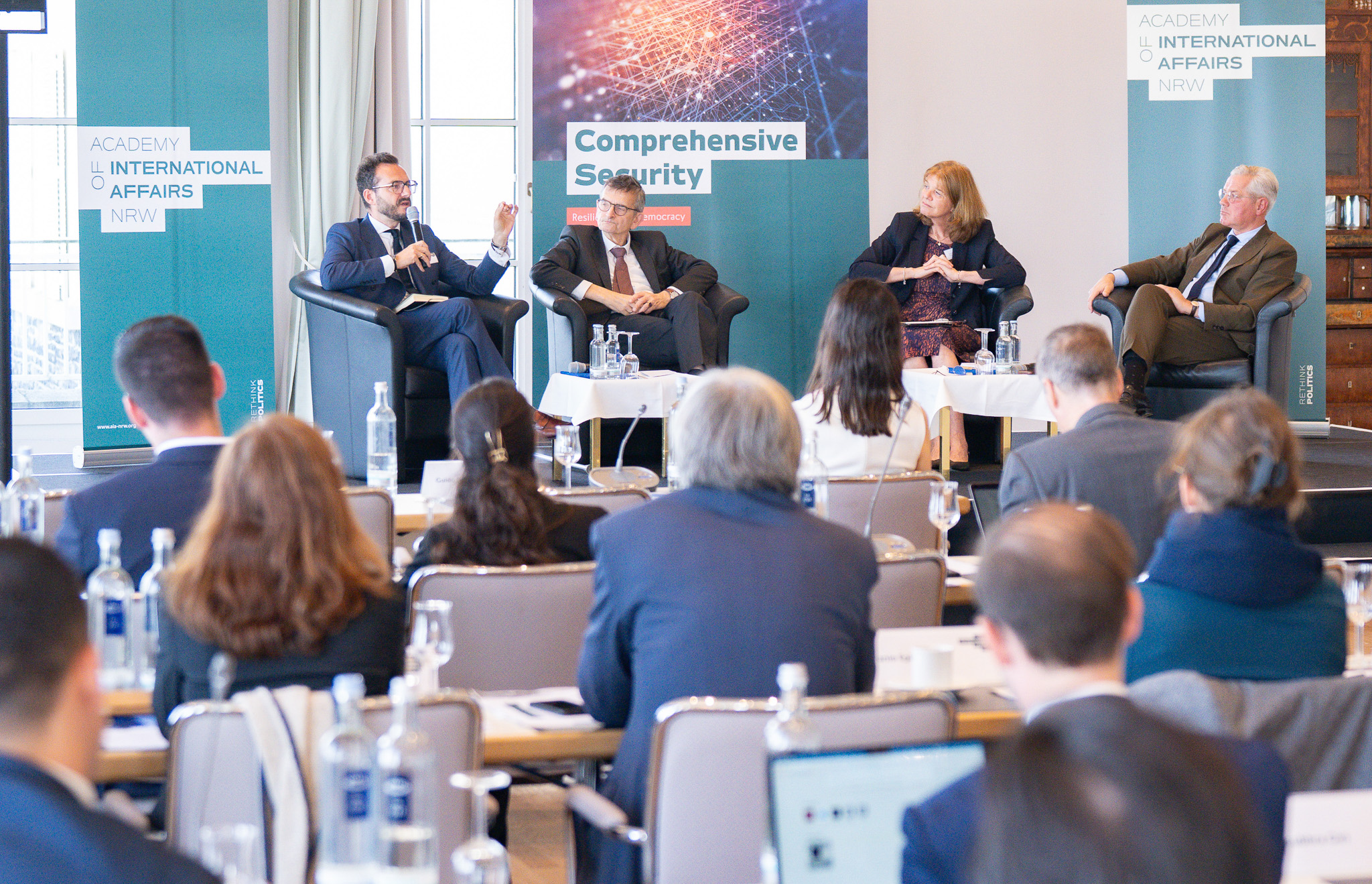
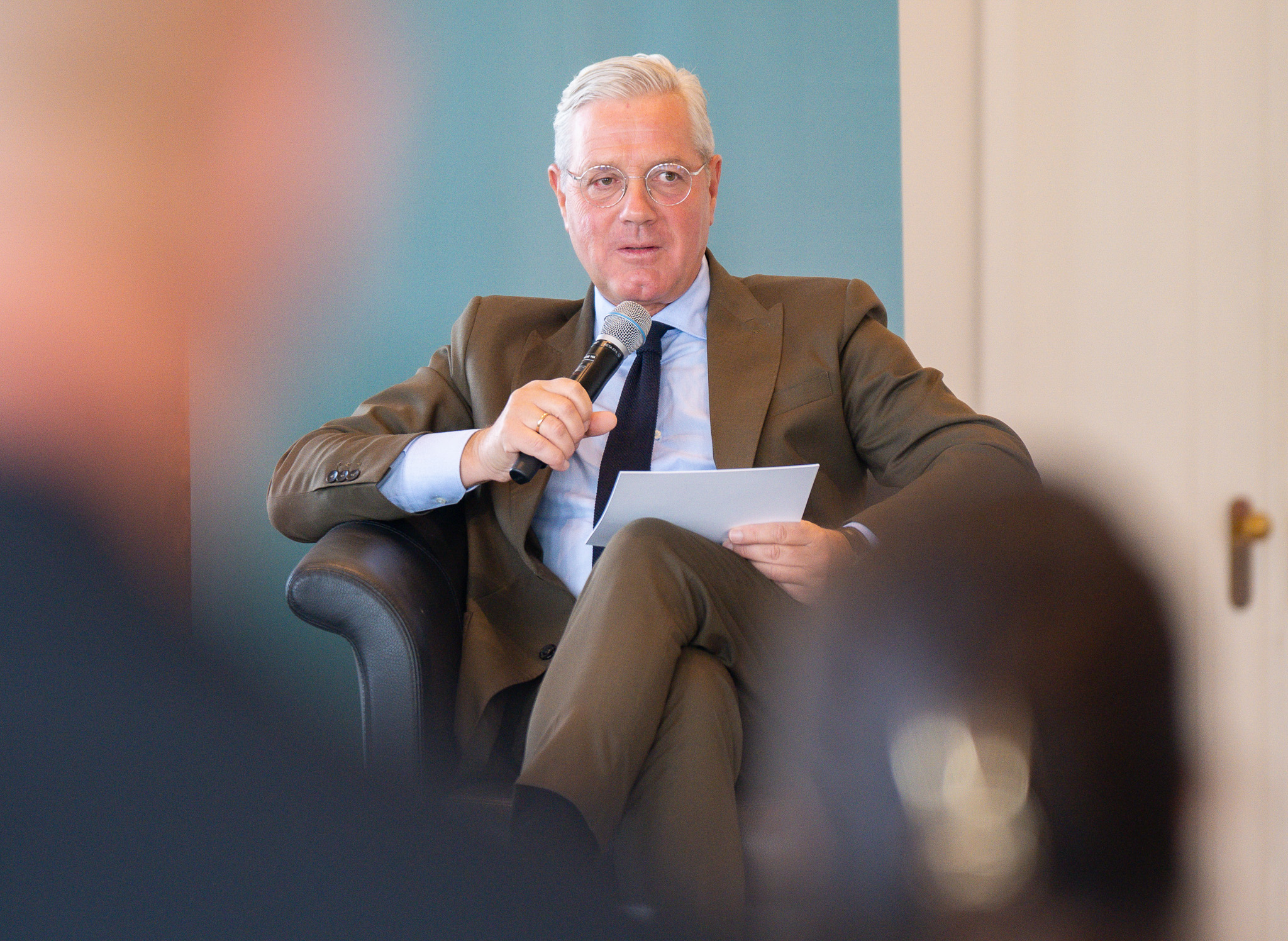
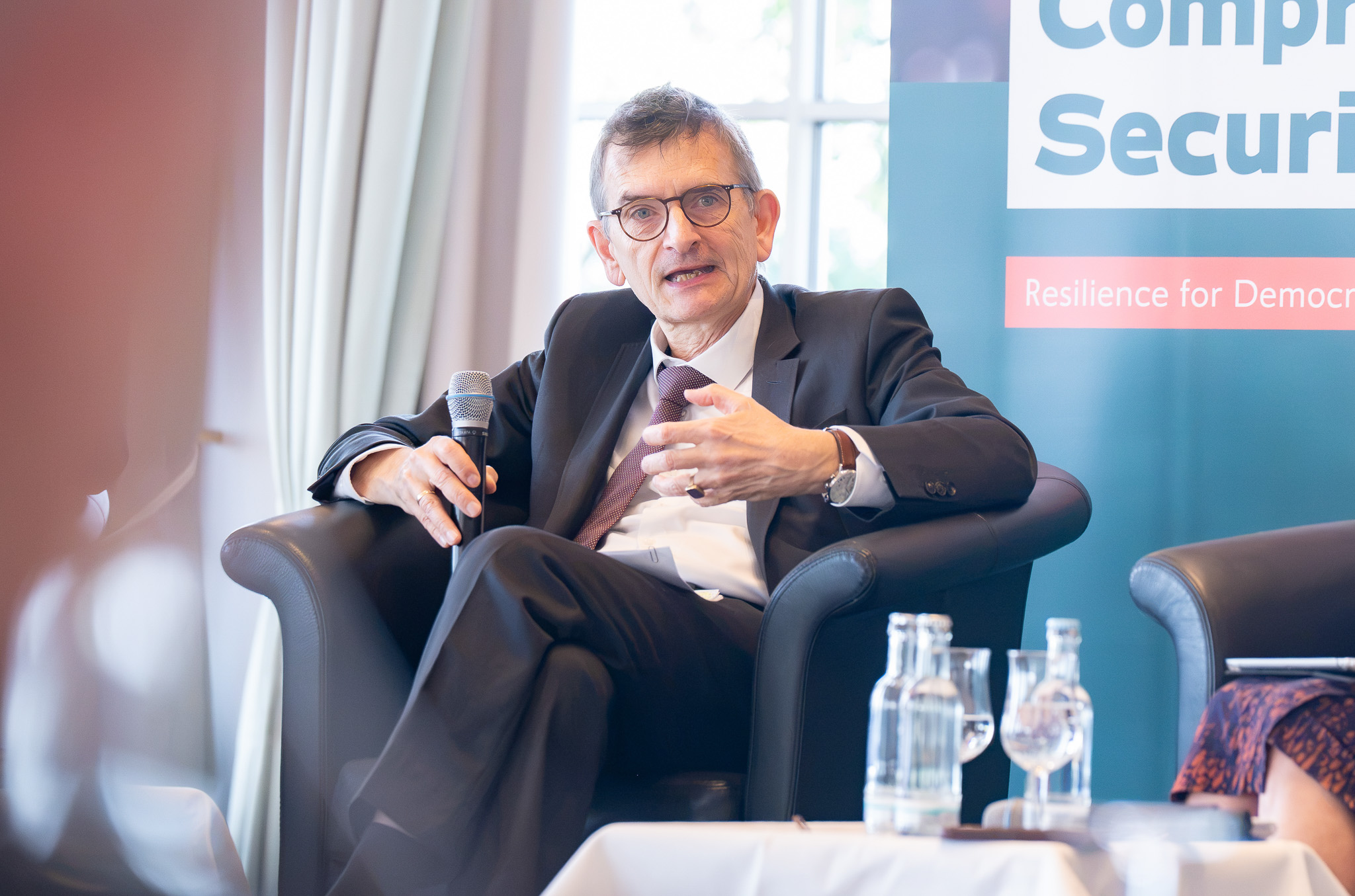
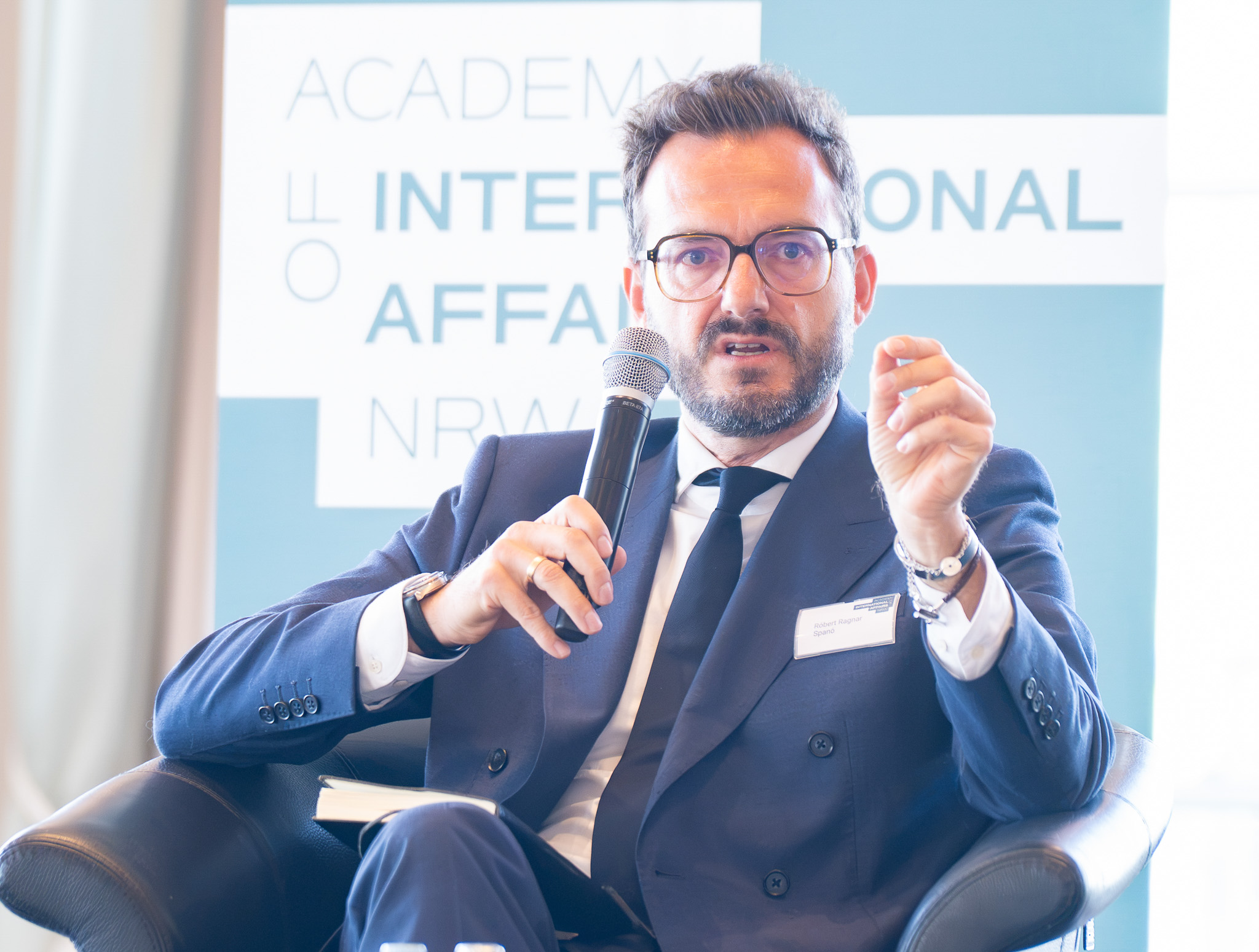
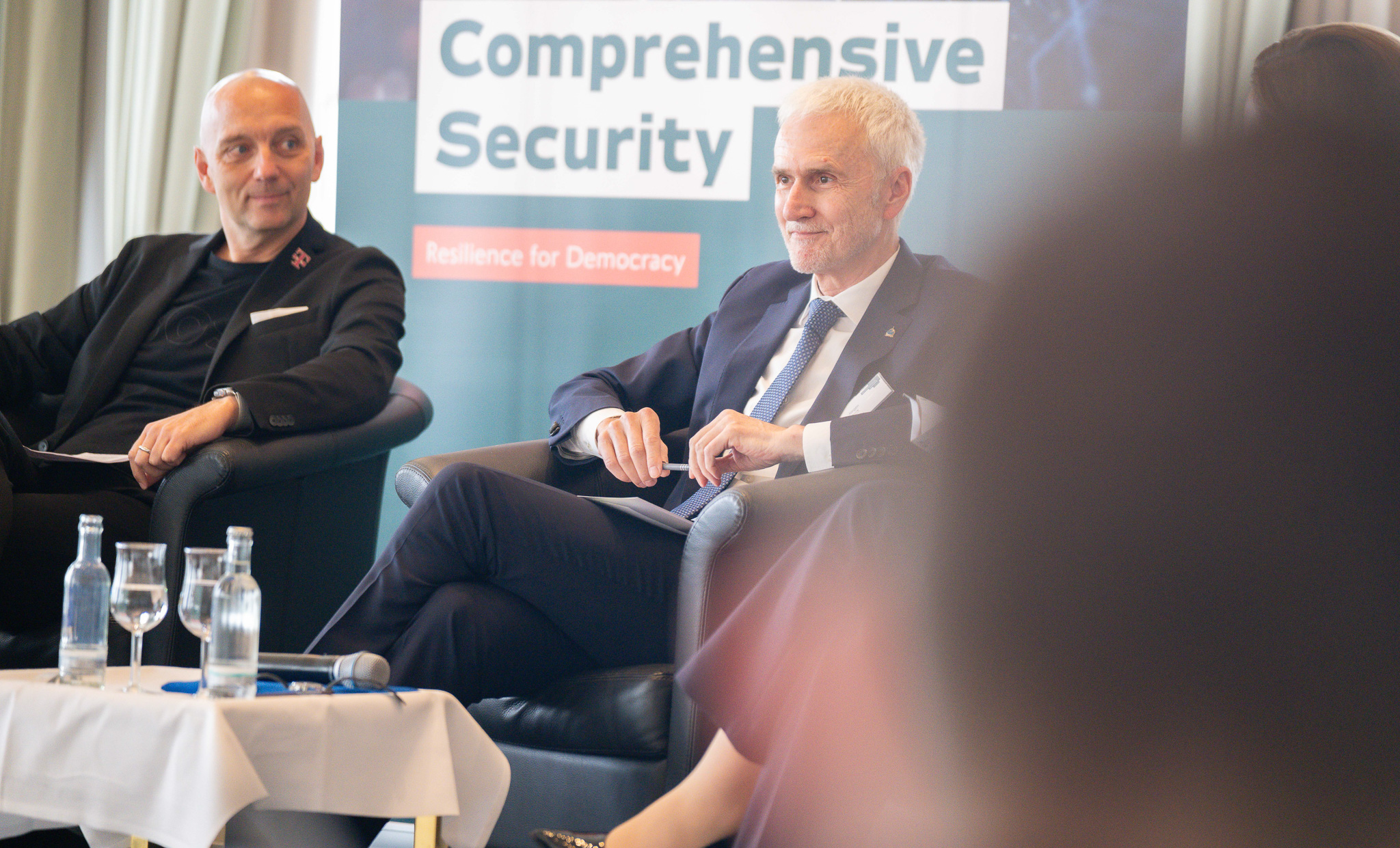
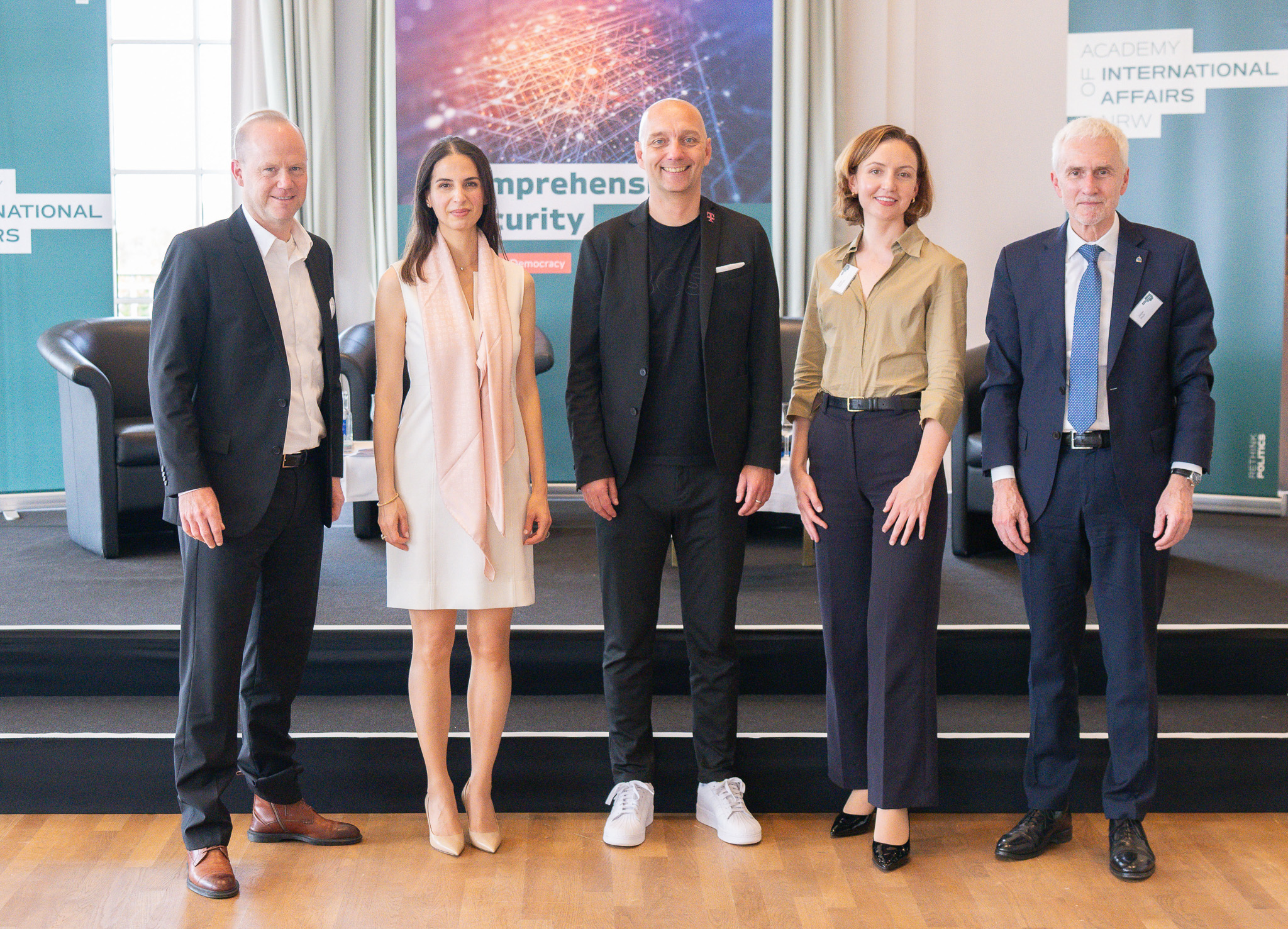
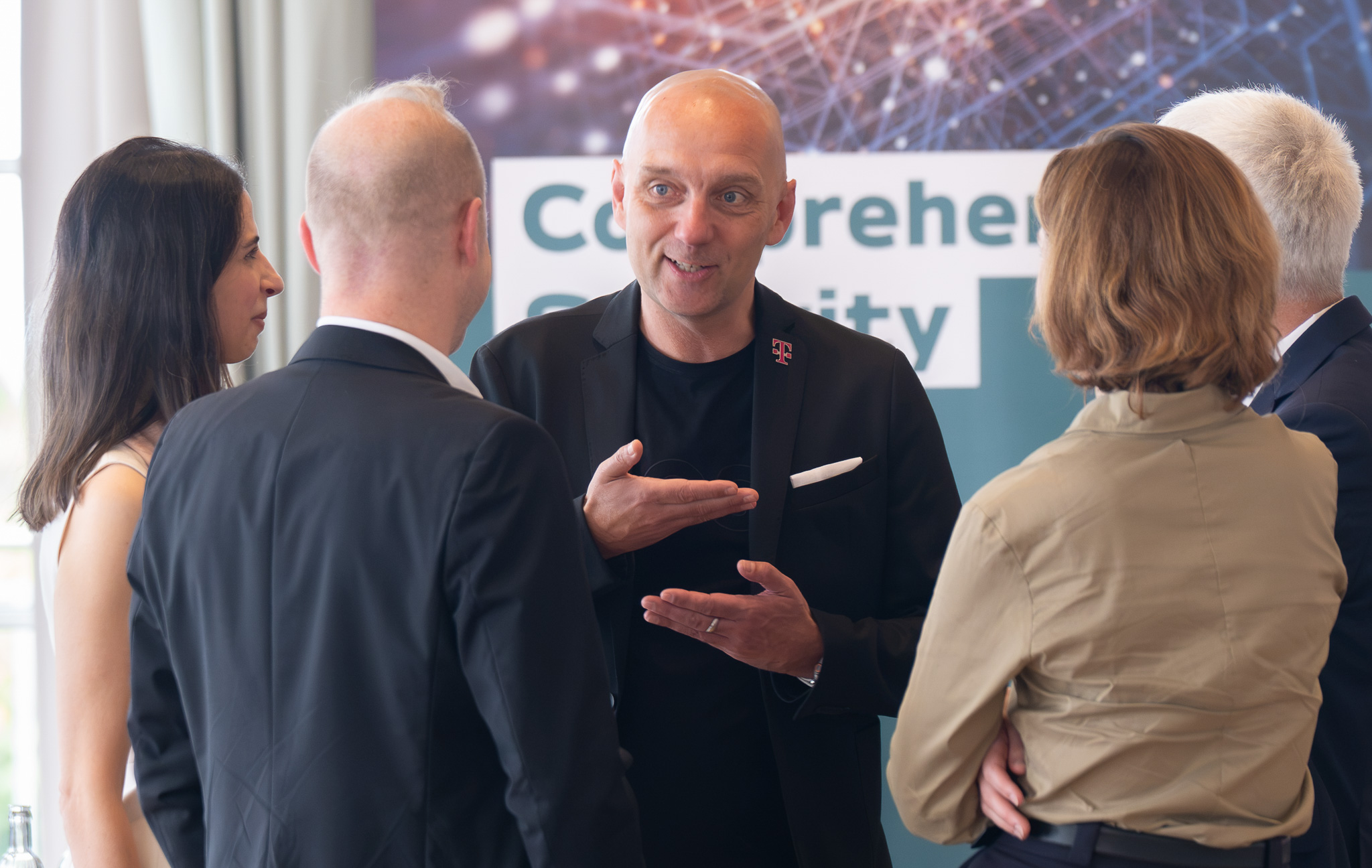
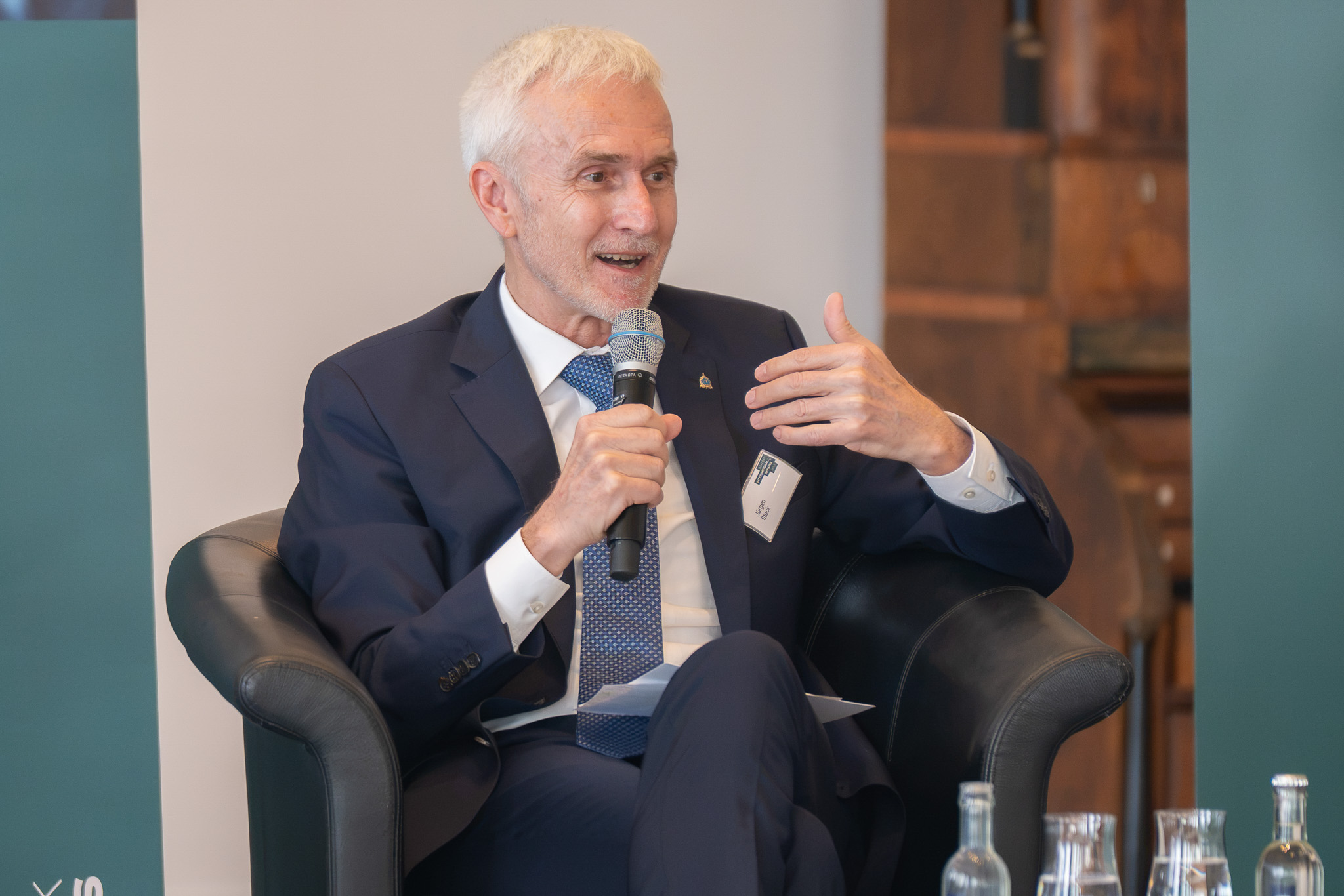
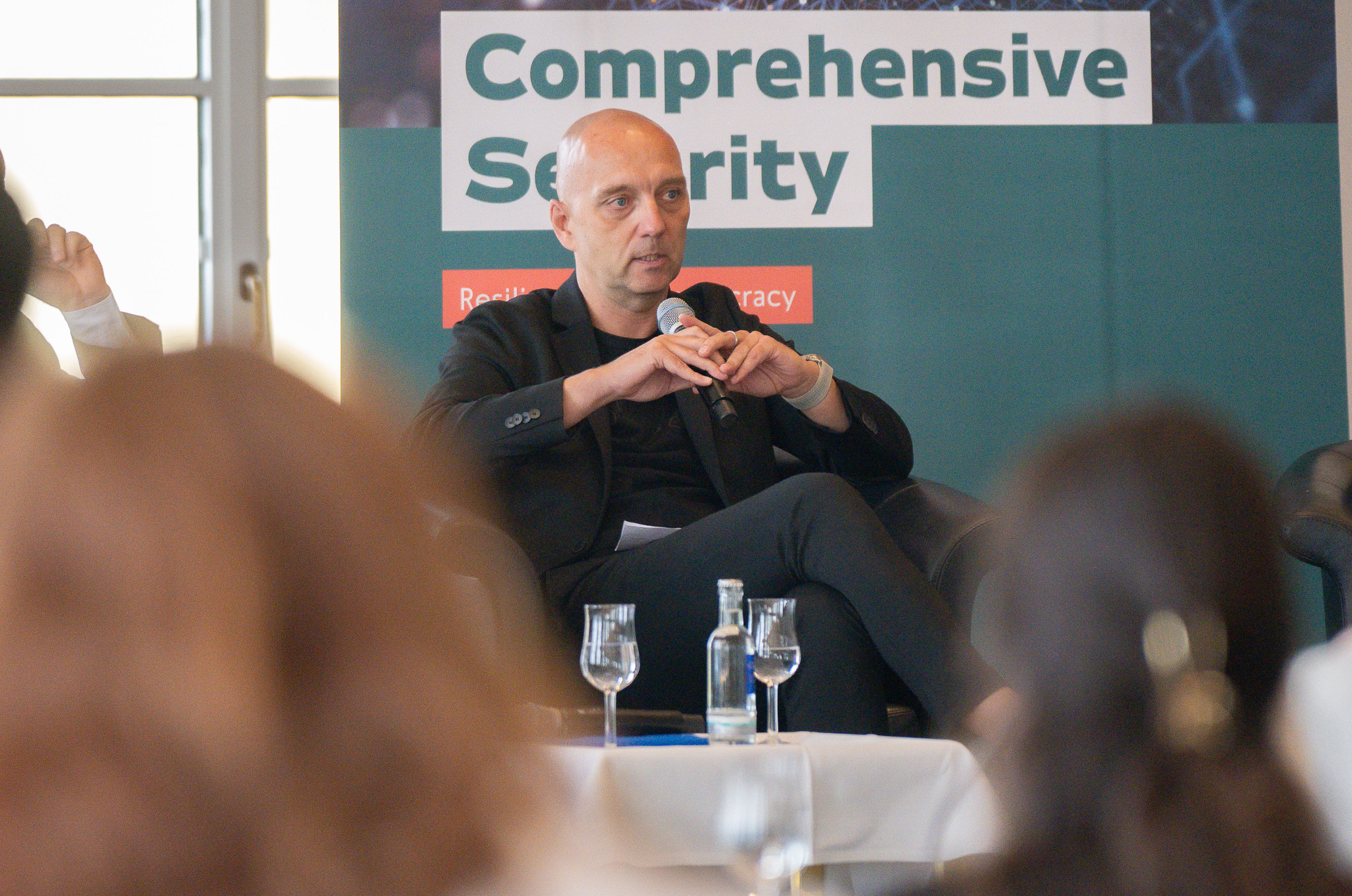
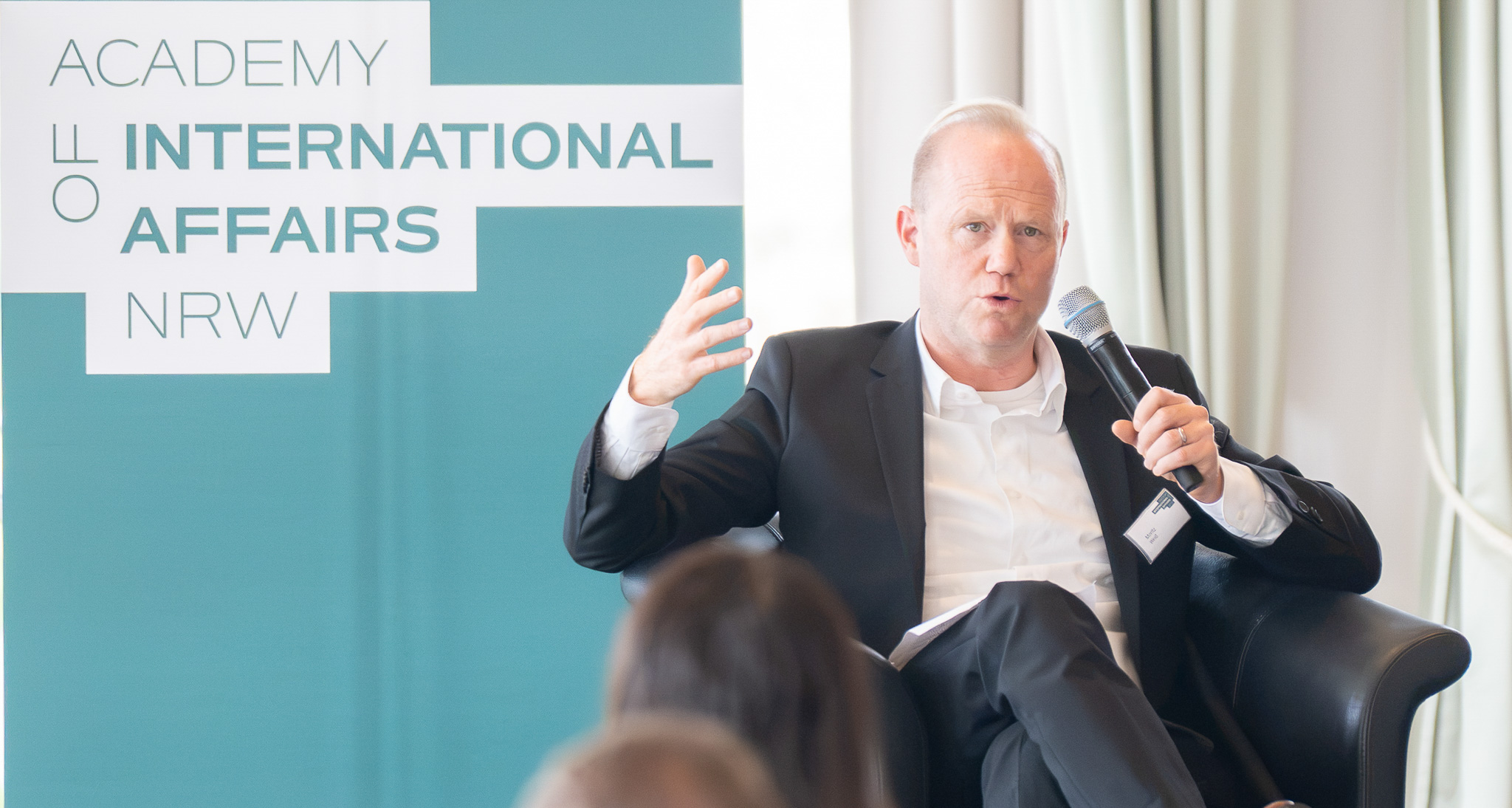
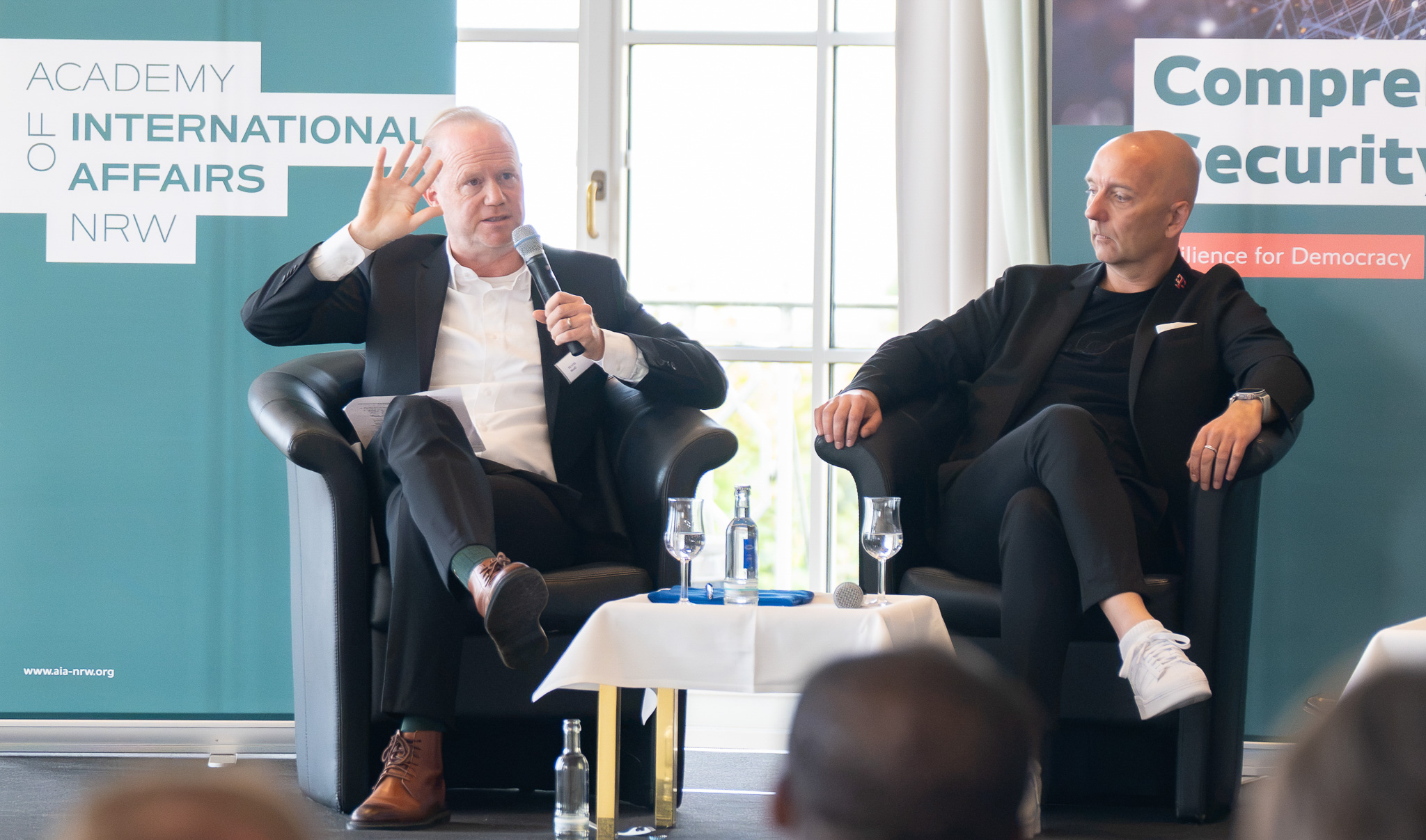
The second panel, moderated by Kristie Pladson (Deutsche Welle), focused on the protection of critical infrastructure. Axel Petri of Deutsche Telekom, Jürgen Stock, former Secretary General of Interpol, and Moritz Weiß of Ludwig Maximilian University of Munich and an AIA Associate Fellow discussed new forms of cooperation between the state and the private sector. In light of growing digital and physical threats, it seems clear that the protection of critical infrastructure cannot be organised by the state alone. Companies possess essential technical resources and expertise, whilst state actors are responsible for regulation, security measures and coordination. It was also emphasized how important it is to raise general public awareness of cybersecurity, and that this must be brought into schools and civil society in order to truly become more resilient in the face of this threat.
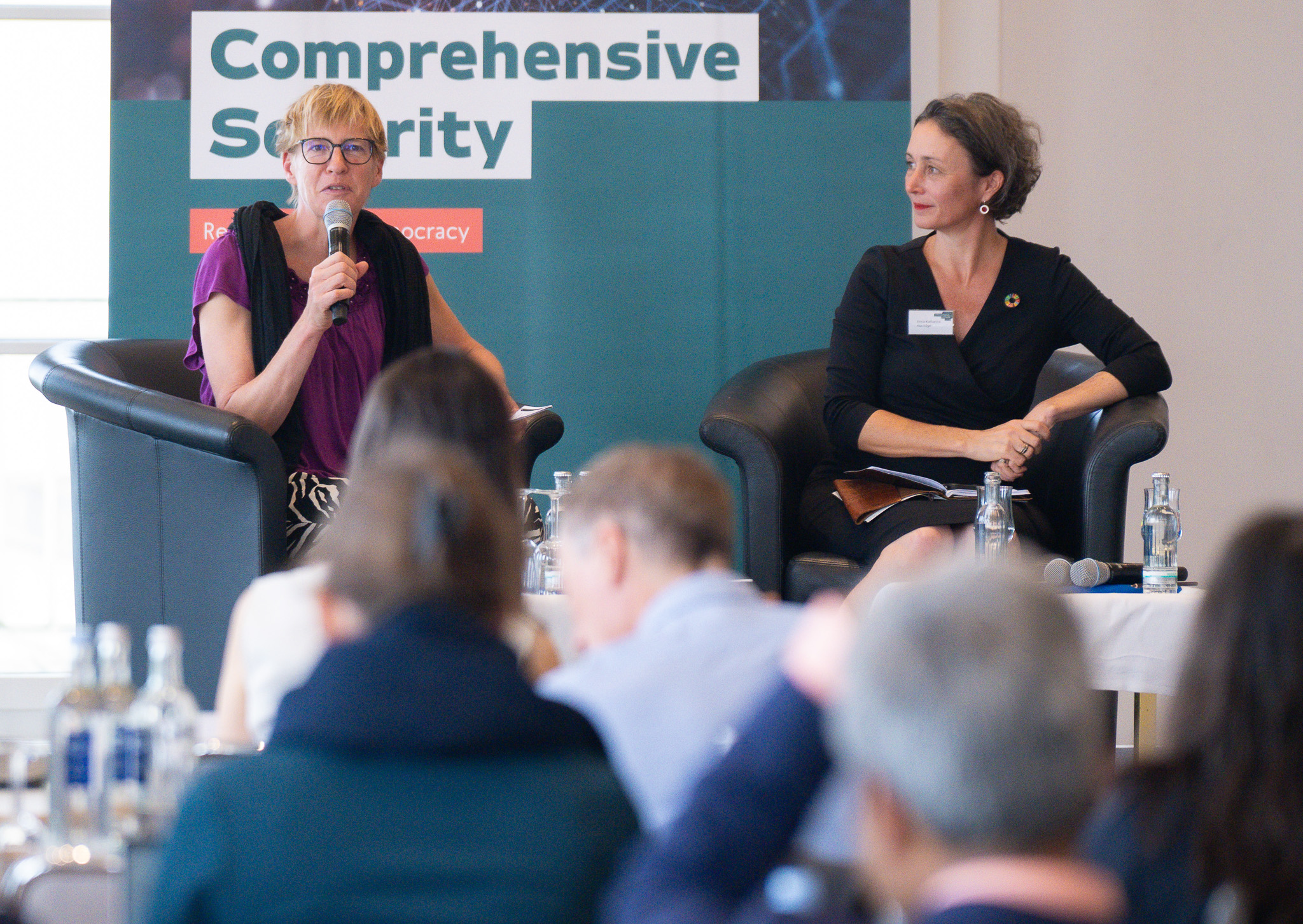
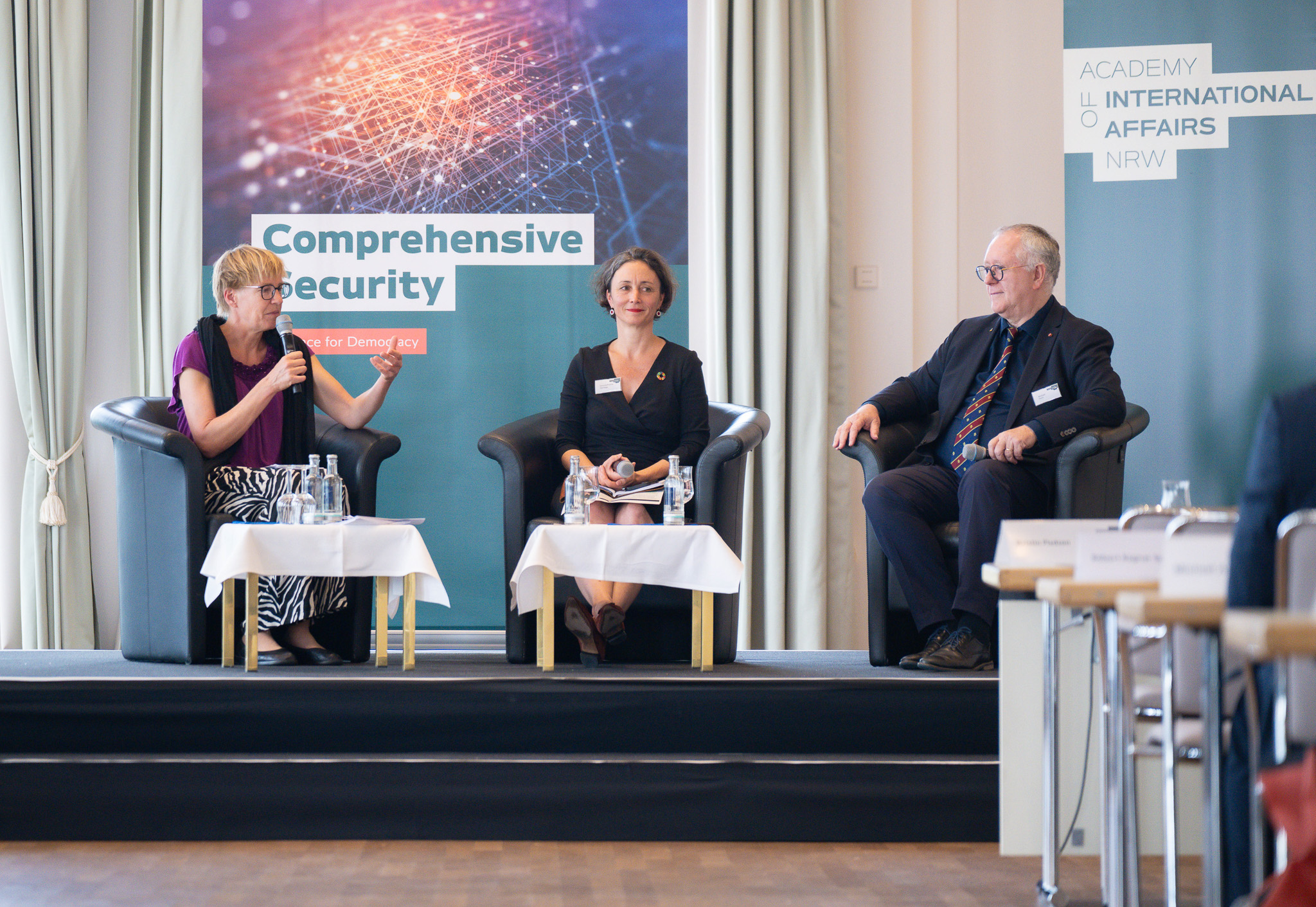
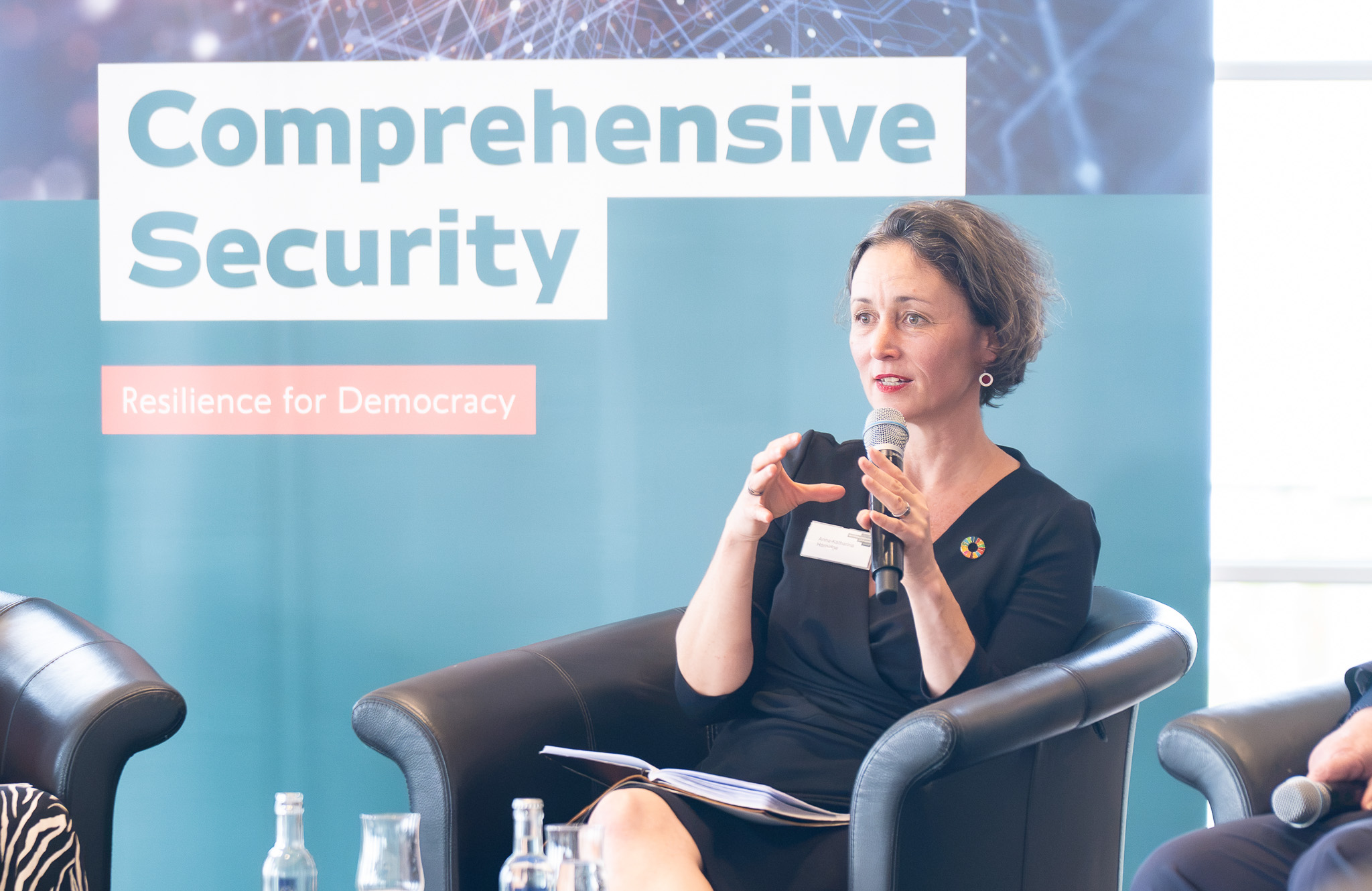
In the afternoon, the third panel addressed the importance of science and technology for Europe’s strategic autonomy. Anna-Katharina Hornidge from the German Institute of Development and Sustainability (IDOS) and Michael Hoch, Vice-Chancellor of the University of Bonn, joined moderator Eva Wolfangel in discussing the role that research, innovation and technological expertise play in Europe’s capacity to act. Technological dependencies were viewed as a security policy challenge, as was the need to translate scientific findings into political and societal capacity for action.
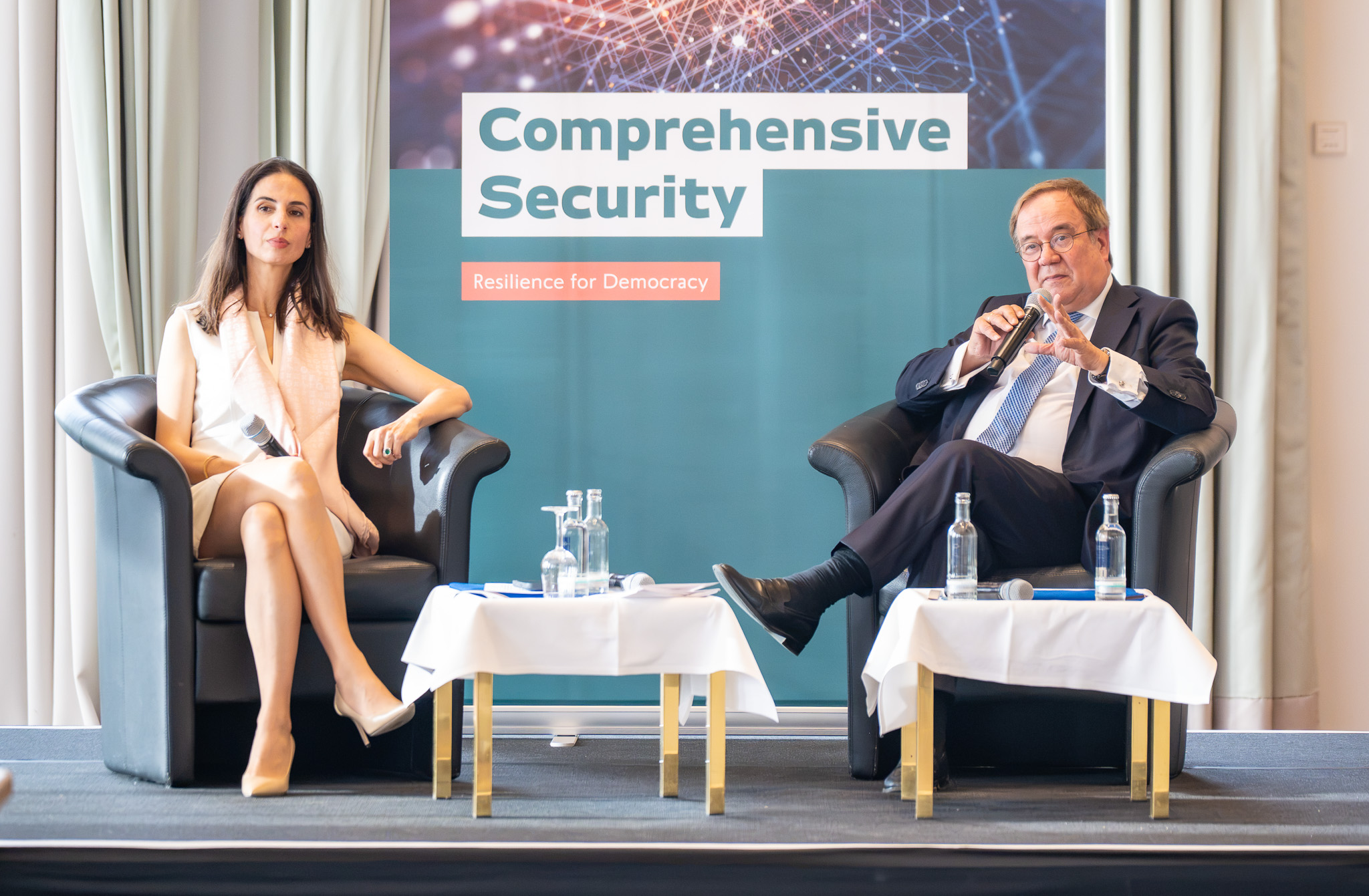
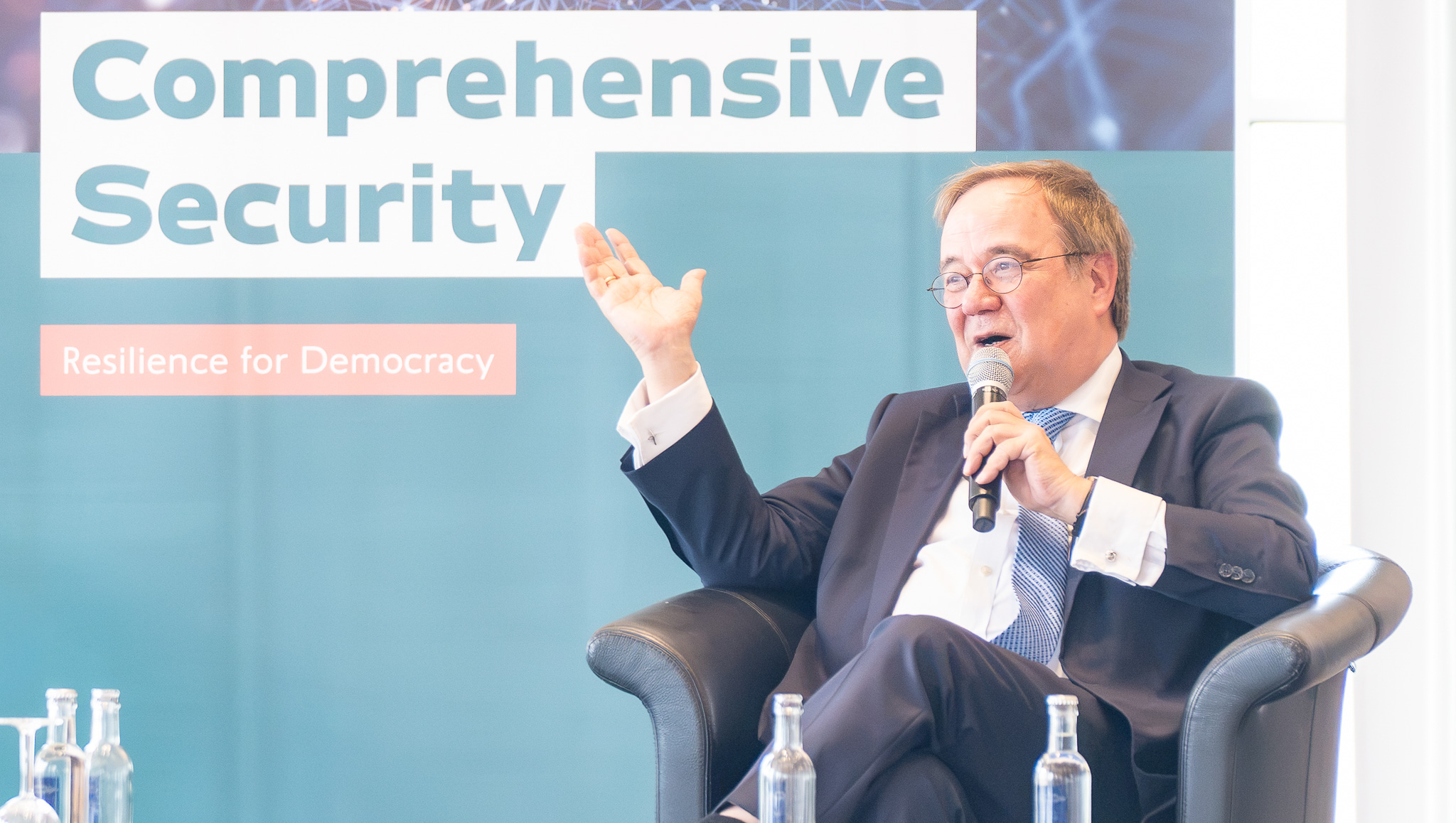
In conclusion, Armin Laschet, Member of the German Bundestag and Chair of the Bundestag’s Foreign Affairs Committee, turned his attention to a European perspective on comprehensive security. In particular, he addressed the question of how Europe can protect its interests, uphold its values and, at the same time, develop its capacity to shape events in an era of geopolitical upheaval.
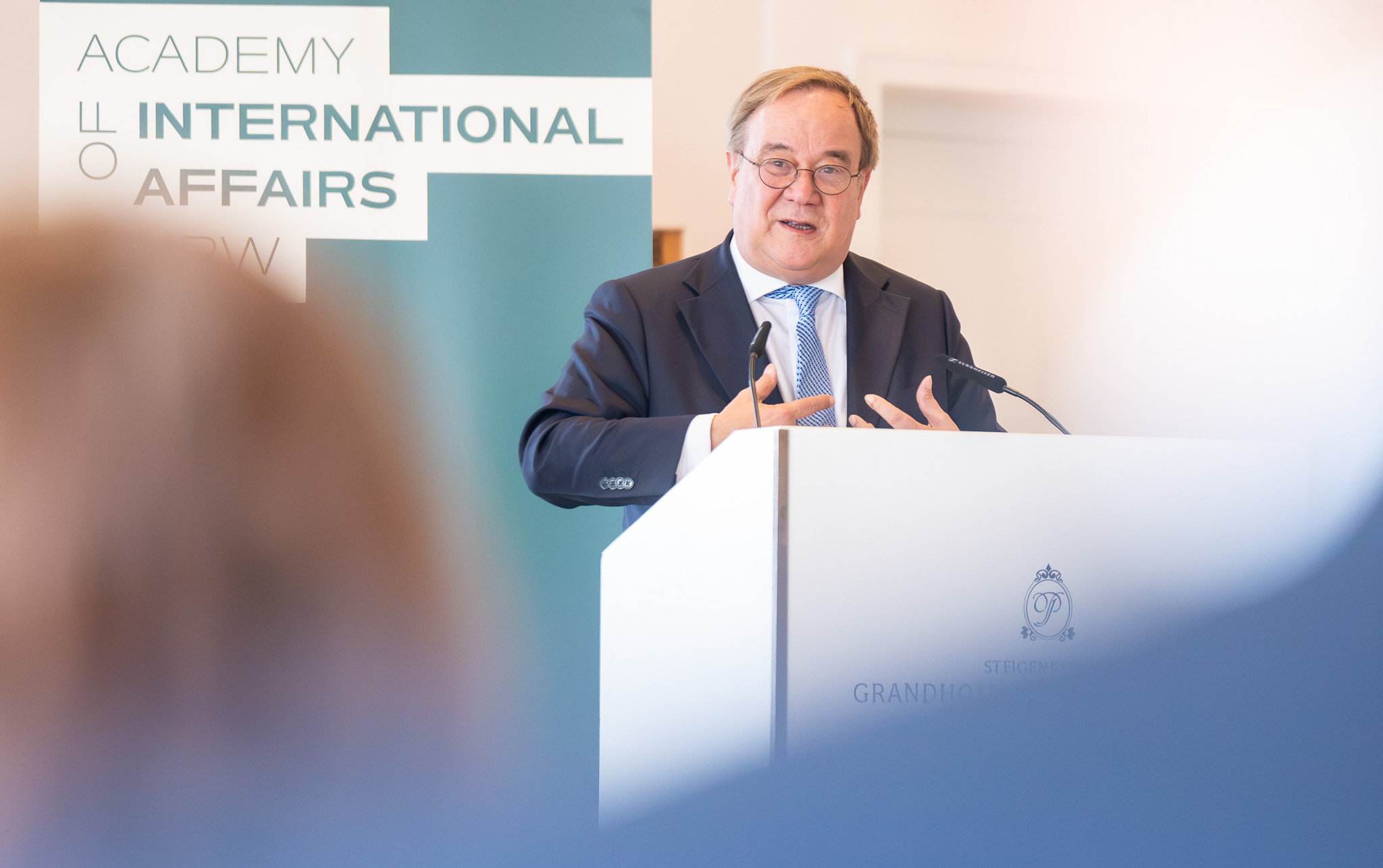
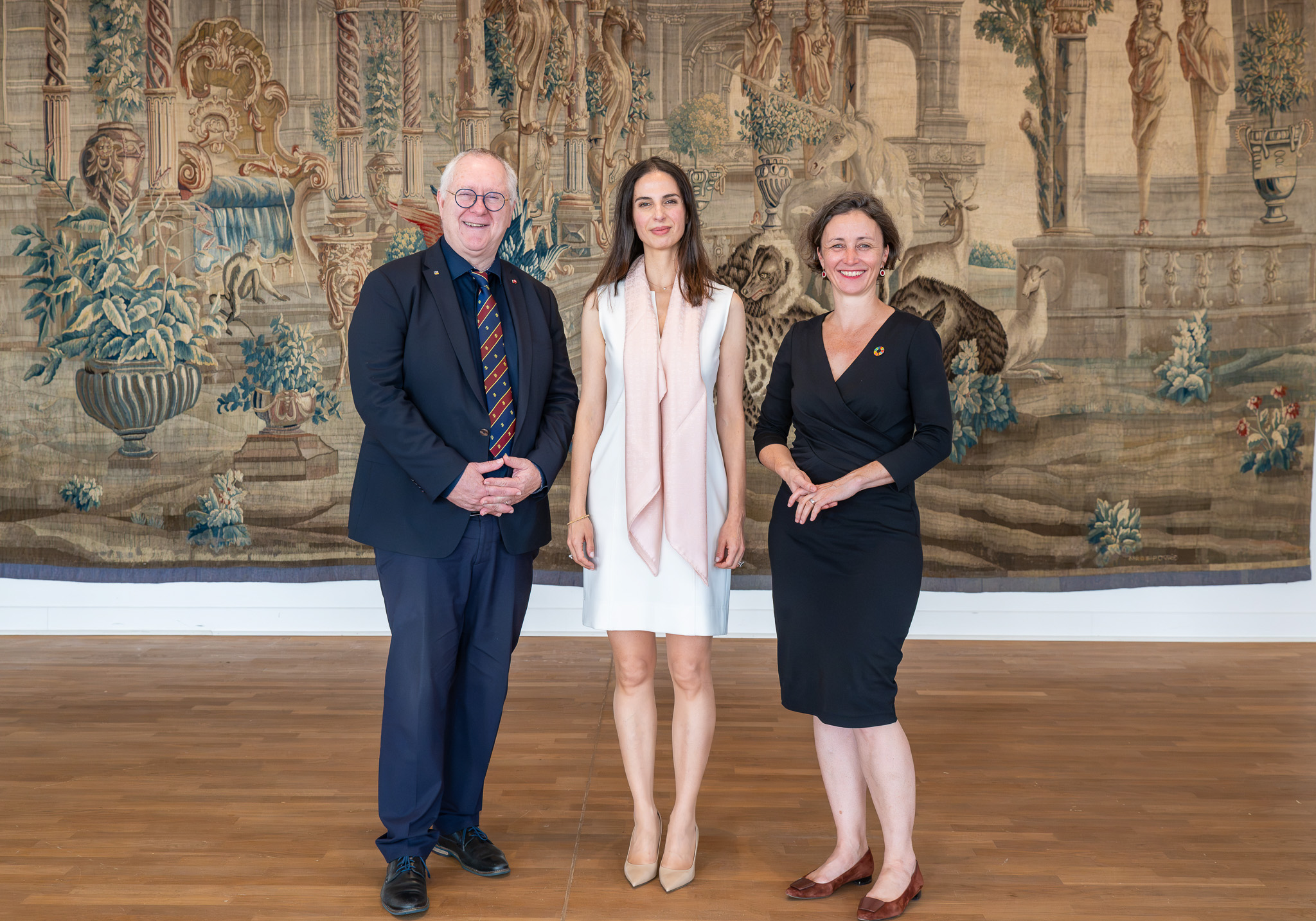
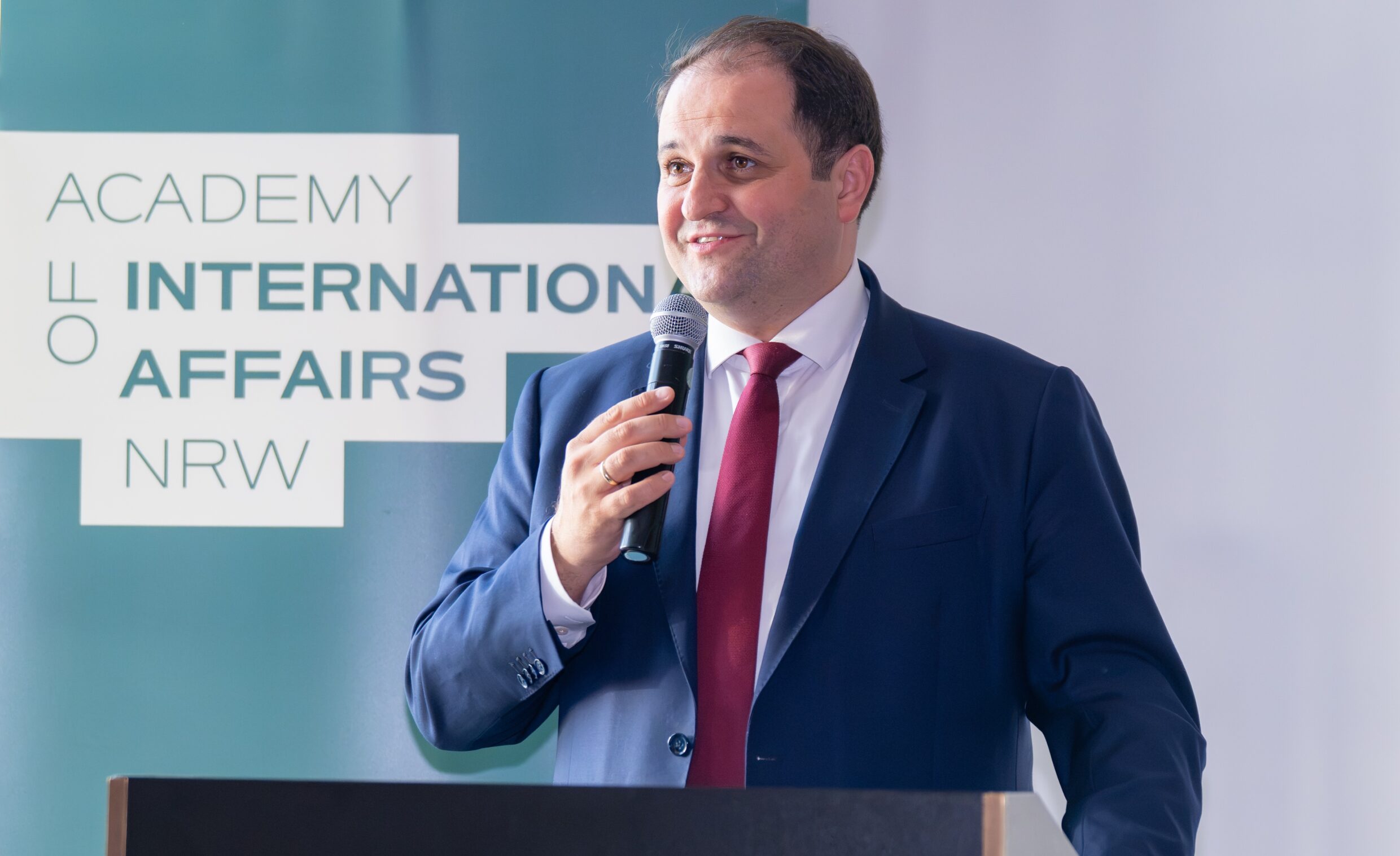
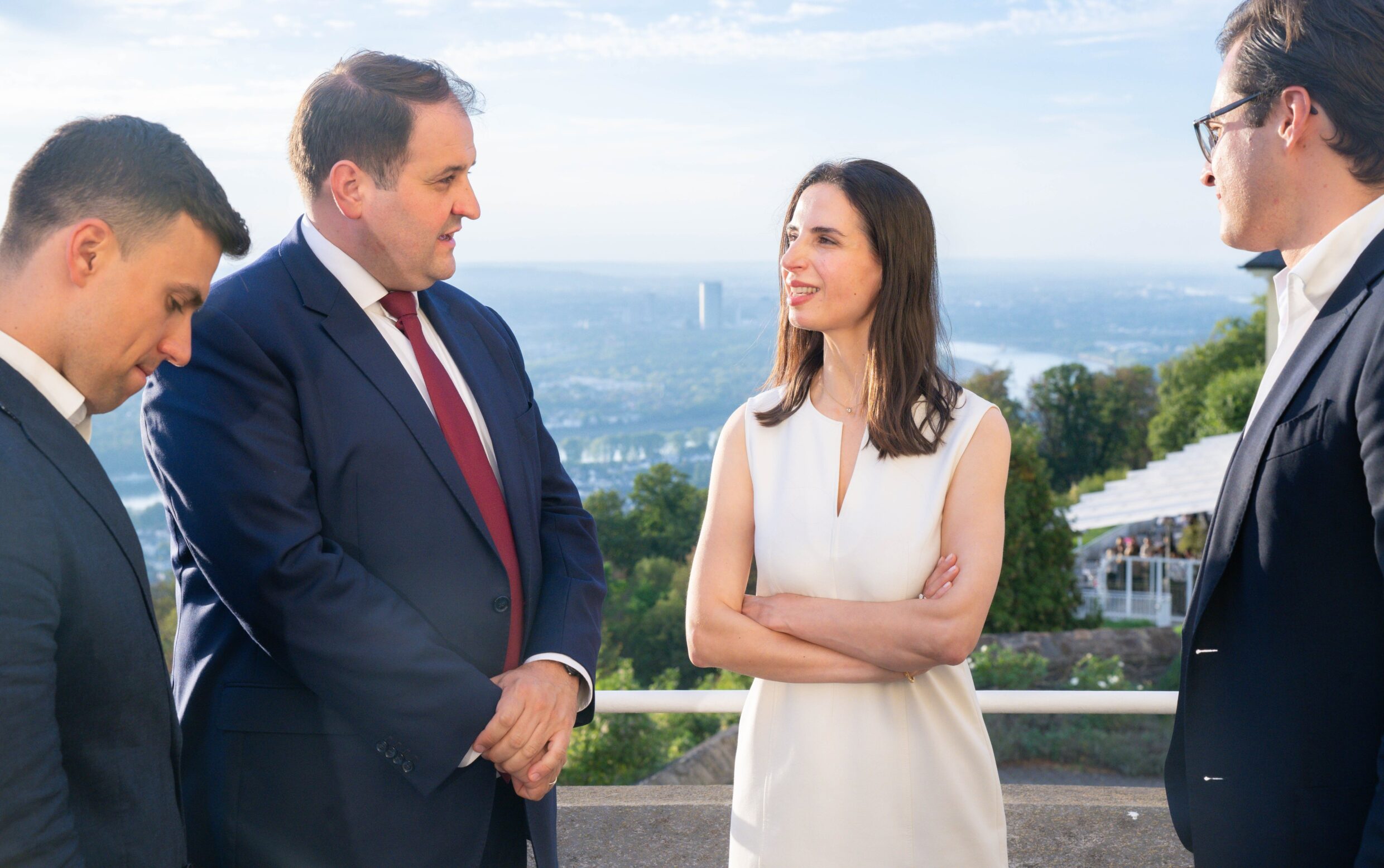
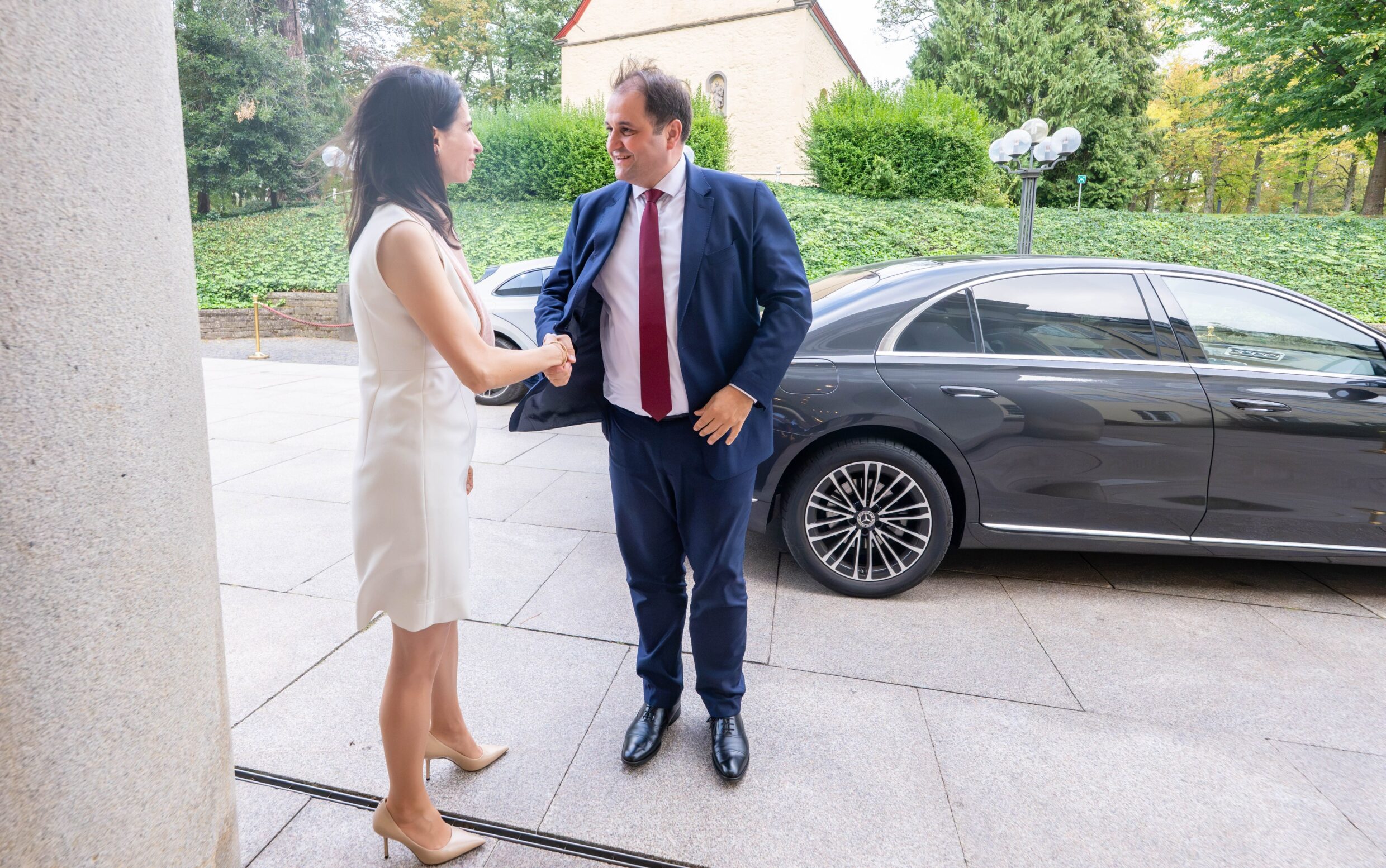
The symposium finished on a festive note with a reception marking the fifth anniversary of the Academy of International Affairs NRW. In his anniversary address, ‘Power, Responsibility and Europe’s Role in the World’, Nathanael Liminski, Minister for Federal, European and International Affairs and Media of the State of North Rhine-Westphalia, examined the tension between power and responsibility, as well as Europe’s role in international politics.

The symposium thus highlighted the various dimensions of a comprehensive understanding of security: Europe’s security is increasingly linked to economic stability, technological sovereignty, resilient infrastructure, international cooperation and democratic resilience. At the same time, the event emphasised that the capacity for strategic action does not arise within a single policy area, but rather from the interplay of various social, economic, scientific and political actors.